Skip to content
Mobile Physio
  • HomeExpand
    • Home: Physiotherapy Clinic
  • About UsExpand
    • Dr. Nitesh Patel: Physiotherapist
    • Sitemap
  • Physiotherapy TreatmentExpand
    • Back Pain
    • Chest Physiotherapy
    • Common Deformity
    • Disease
    • Joint Pain
    • Knee Pain
    • Exercise Detail
    • Orthopaedic Disease
    • Physiotherapy Technique
    • Home Visit Physiotherapy Treatment in AhmedabadExpand
      • Paralysis
      • Pulmonary Disease
      • REHABILITATION
      • Rheumatoid Disease
  • Physiotherapy Clinic
  • Contact UsExpand
    • Mobile Physiotherapy Clinic
    • Physiotherapy Clinic in Amaraiwadi CTM
    • Privacy Policy
Facebook X Instagram
Mobile Physio
  • Home
    • Home: Physiotherapy Clinic
  • About Us
    • Dr. Nitesh Patel: Physiotherapist
    • Sitemap
  • Physiotherapy Treatment
    • Back Pain
    • Chest Physiotherapy
    • Common Deformity
    • Disease
    • Joint Pain
    • Knee Pain
    • Exercise Detail
    • Orthopaedic Disease
    • Physiotherapy Technique
    • Home Visit Physiotherapy Treatment in Ahmedabad
      • Paralysis
      • Pulmonary Disease
      • REHABILITATION
      • Rheumatoid Disease
  • Physiotherapy Clinic
  • Contact Us
    • Mobile Physiotherapy Clinic
    • Physiotherapy Clinic in Amaraiwadi CTM
    • Privacy Policy
Facebook X Instagram
  • Exercise Detail | Common Deformity | Congenital Deformity | Disease | Foot Deformity | Orthopaedic Disease | Physiotherapy Clinic

    Knee Varus Deformity

    ByNitesh Patel - Physiotherapist August 28, 2017December 13, 2023

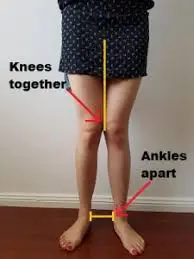
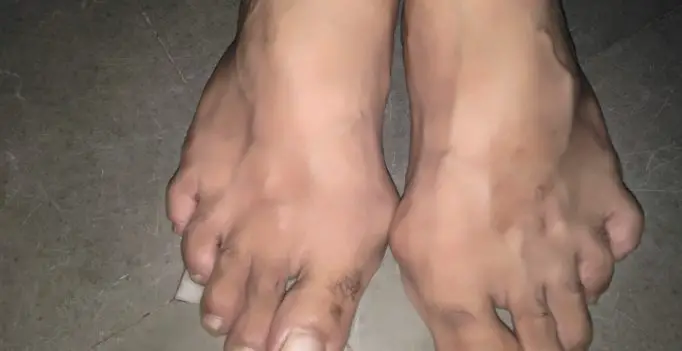
    What is a Knee Varus Deformity? Varus deformity is an inward angulation (medial angulation, that is, toward the body’s mid-line) of the distal segment of a leg. Also known as Bow-legged or Genu varum. Causes of Knee Varus Deformity → When the knee is not perfectly aligned, otherwise known as Mal-aligned.→ Mal-alignment of the knees…
    Read More Knee Varus DeformityContinue

  • Knee Valgus (Genu Valgum)
    Exercise Detail | Foot Deformity | Physiotherapy Clinic | Physiotherapy Technique

    Knee Valgus (Genu Valgum)

    ByNitesh Patel - Physiotherapist August 17, 2017December 13, 2023

    What is a Knee Valgus (Genu Valgum)? Knee valgus is valgus collapse and medial knee displacement. It is characterized by hip adduction and hip internal rotation, usually when in a hips-flexed position (the knee actually abducts and externally rotates) Knee Valgus also known as a knock knee or Genu valgum When standing with the feet…

    Read More Knee Valgus (Genu Valgum)Continue

  • Hallux Valgus Deformity
    Exercise Detail | Body Joint | Common Deformity | Congenital Deformity | Disease | Foot Deformity | Orthopaedic Disease | ORTHOPEDIC CONDITION | Physiotherapy Technique

    Hallux Valgus Deformity: Physiotherapy Treatment & Exercise

    ByNitesh Patel - Physiotherapist August 11, 2017December 13, 2023

    What is the Hallux Valgus Deformity? Hallux valgus is a progressive foot deformity in which the great toe deviated towards the 2nd finger (first metatarsophalangeal (MTP) joint) is affected and is often accompanied by significant functional disability and foot pain, tenderness, and swelling around the joint. There is a lateral deviation of the great toe…

    Read More Hallux Valgus Deformity: Physiotherapy Treatment & ExerciseContinue

  • Dinner-Fork-Deformity
    Common Deformity | Disease | Hand Deformity | Joint Pain | ORTHOPEDIC CONDITION

    Dinner Fork Deformity

    ByNitesh Patel - Physiotherapist August 5, 2017May 31, 2024

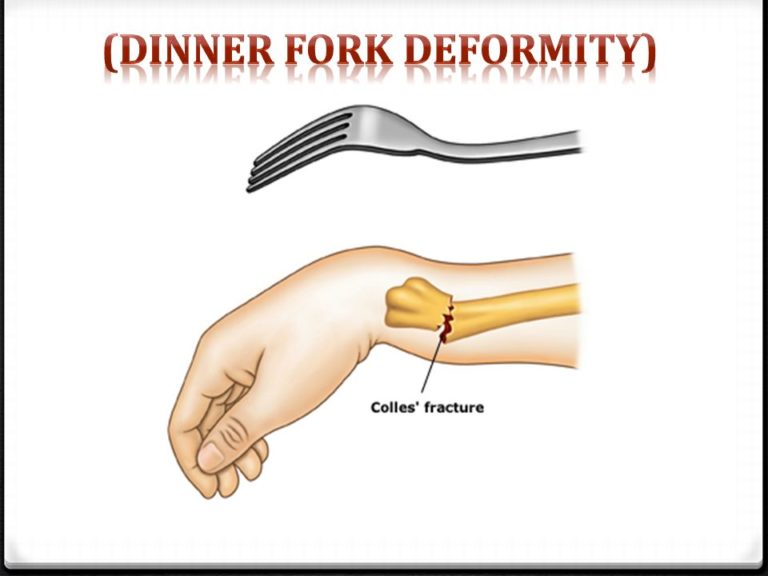
    What is a Dinner Fork Deformity? ⇒ Dinner fork deformity is due to colle’s fracture in which the fracture of the distal radius in forearm with dorsal(posterior) and radial displacmentof the wristand hand.⇒ Dinner fork also called “bayonet” deformity due to the shape of the forearm. Causes of Dinner Fork Deformity ⇒ Wrist fracture Mainly…

    Read More Dinner Fork DeformityContinue

  • Importance of Fitness
    Exercise Detail | Fitness | Health Tips | Obesity | Strengthening exercise

    Importance of Fitness

    ByNitesh Patel - Physiotherapist August 2, 2017September 8, 2024

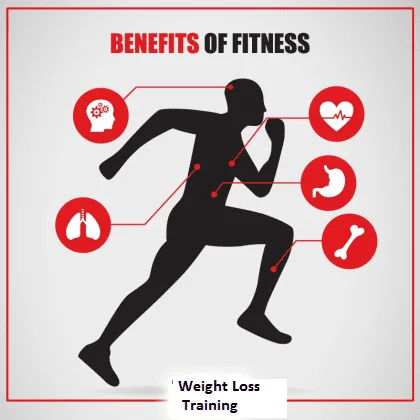
    What is the Fitness? Fitness is not only a means to be physically fit by mental status is also important. If the person is physically fit but mentally ill it will not be able to function optimally. Physical and mental fitness plays a very important role in your lives, and people who are both, physically…

    Read More Importance of FitnessContinue

  • Lordosis Posture
    ORTHOPEDIC CONDITION | Back Pain | Common Deformity | Physiotherapy Technique | Spinal Problem

    Lordosis: Physiotherapy Treatment

    ByNitesh Patel - Physiotherapist July 28, 2017January 26, 2025

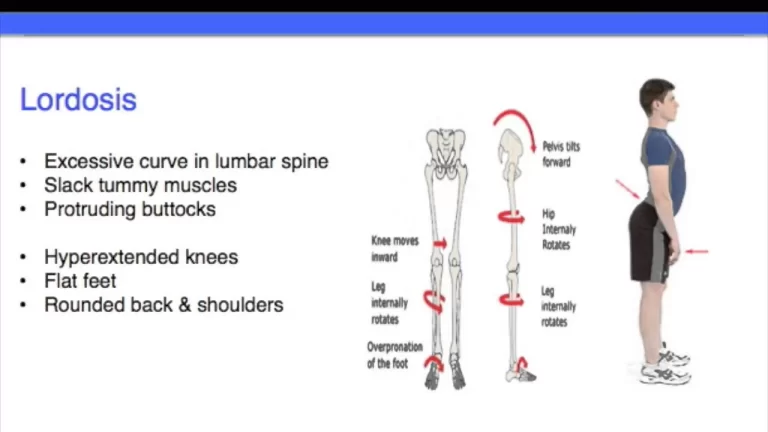
    What is a Lordosis? Lordosis is a condition where there is an increased inner curvature of the spine in the lumbar region and cervical region of the human spine. Lordosis refers to your natural lordotic curve, which is normal. But if your curve arches too far inward, it’s called lordosis, or swayback. Lordosis can affect…

    Read More Lordosis: Physiotherapy TreatmentContinue

  • kyphosis
    Exercise Detail | Back Pain | Common Deformity | Disease | Orthopaedic Disease | ORTHOPEDIC CONDITION | Spinal Problem

    Kyphosis

    ByNitesh Patel - Physiotherapist July 26, 2017October 21, 2024

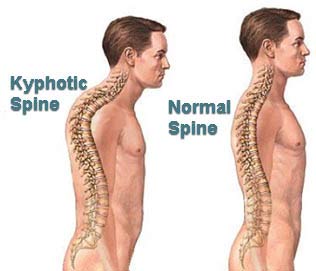
    What is a Kyphosis? Kyphosis is a Postural-spinal disorder in which an excessive outward curve of the spine results in an abnormal rounding of the upper back. The condition is sometimes known as “roundback” or—in the case of a severe curve—as “hunchback.” Kyphosis can occur at any age, but is common during adolescence. A patient…

    Read More KyphosisContinue

  • Scoliosis
    Exercise Detail | Back Pain | Common Deformity | Disease | Orthopaedic Disease | ORTHOPEDIC CONDITION | Spinal Problem

    Scoliosis: Type, Cause, Symptoms, Diagnosis and Treatment, Exercise

    ByNitesh Patel - Physiotherapist July 25, 2017December 13, 2023

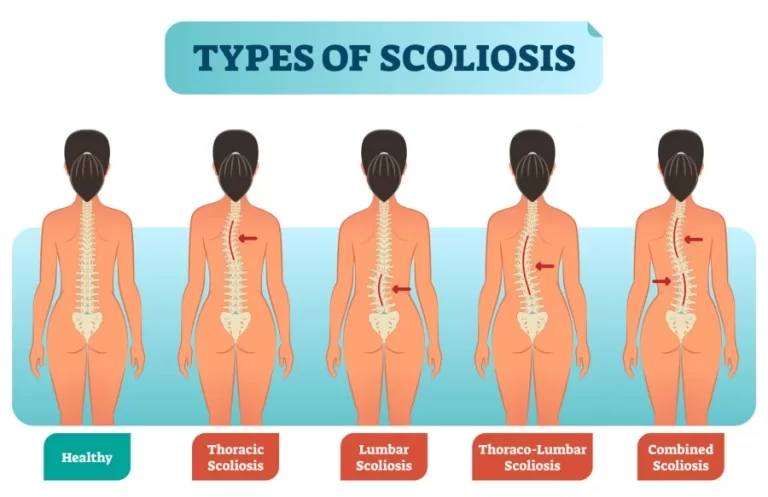
    Introduction Scoliosis is a curvature of the spine. It can affect your posture and cause other health problems, like back pain. Scoliosis often develops in childhood, but it can also develop in adulthood. Scoliosis is a complex condition and can’t be fixed; it needs to be treated to keep it from getting worse. Scoliosis is…

    Read More Scoliosis: Type, Cause, Symptoms, Diagnosis and Treatment, ExerciseContinue

  • Sprengel’s Shoulder Deformity
    Common Deformity | Congenital Deformity

    Sprengel’s Shoulder Deformity

    ByNitesh Patel - Physiotherapist July 23, 2017December 13, 2023

    What is a Sprengel’s Shoulder Deformity? Sprengel’s shoulder deformity, also known as congenital high scapula or undescended scapula, is a rare congenital condition that affects the development and positioning of the shoulder blade (scapula) during early fetal development. This condition is named after the German surgeon Carl Sprengel, who first described it in 1891. →In…

    Read More Sprengel’s Shoulder DeformityContinue

  • Spina Bifida
    Congenital Deformity | Disease | Neurological problem

    Spina Bifida

    ByNitesh Patel - Physiotherapist July 22, 2017March 8, 2024

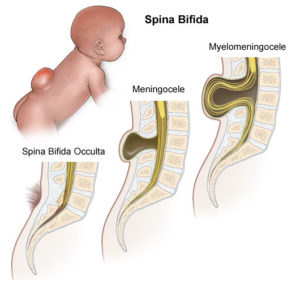
    What is a Spina bifida (SPLIT SPINE)? Spina bifida is one of the neural tube defects. In which the failure of the fusion of two vertebral arches in the embryological stages of the developmental spine. Incidence of Spina Bifida: Spina bifida is one of the most common birth defects, with a worldwide average incidence of 1-2…

    Read More Spina BifidaContinue

Page navigation

Previous PagePrevious 1 … 676 677 678 679 680 … 682 Next PageNext
  • Disease
  • Exercise Detail
  • Orthopaedic Disease
  • Anatomy
  • Physiotherapy Technique
  • Neurological problem
  • Back Pain
  • BMI Calculator (Calculate your Body Mass Index)
  • Calorie Calculator
  • Home: Physiotherapy Clinic
  • Privacy Policy
  • Terms and Conditions
  • About Us
    • Dr. Nitesh Patel: Physiotherapist
    • Disclaimer
    • Privacy Policy
    • Sitemap
  • Physiotherapy Treatment
    • Home Visit Physiotherapy Treatment in Ahmedabad
  • Contact Us
    • Mobile Physiotherapy Clinic
    • Physiotherapy Clinic in Amaraiwadi CTM

© 2026 Mobile Physiotherapy Clinic - WordPress Theme by Kadence WP

Scroll to top
Search