Author: Arjun Sharma

  • Niacin Deficiency (Vitamin B3 Deficiency)

    What is Niacin Deficiency? A niacin deficiency, known as pellagra, can have significant health implications. Pellagra was historically prevalent in populations relying heavily on corn-based diets, as corn contains niacin in a bound form that is not readily absorbed by the body. Niacin, also known as Vitamin B3, is a crucial water-soluble vitamin essential for…

  • |

    Folate Deficiency (Vitamin B9 Deficiency)

    What is Folate Deficiency? Folate Deficiency (Vitamin B9 Deficiency) can result from inadequate dietary intake, poor absorption, or increased demand due to factors such as pregnancy or certain medical conditions. Folate, also known as vitamin B9, is a vital nutrient essential for various physiological functions within the body. Its primary roles include facilitating DNA synthesis,…

  • |

    Iron Deficiency

    What is Iron deficiency? Iron deficiency, or sideropenia, is the state in which a body lacks adequate iron to meet its demands. Iron is present in every cell in the body and is necessary for several bodily functions. These include delivering oxygen from the lungs to the tissues as a crucial part of the hemoglobin…

  • |

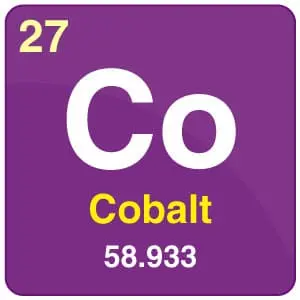
    Cobalt

    What is Cobalt? Cobalt is an element in chemistry with the atomic number 27 and symbol Co. Except for trace amounts found in alloys of naturally occurring meteoric iron, cobalt is only present in the Earth’s crust in a chemically mixed state, similar to nickel. The hard, shiny, silvery metal that results after reductive smelting…

  • |

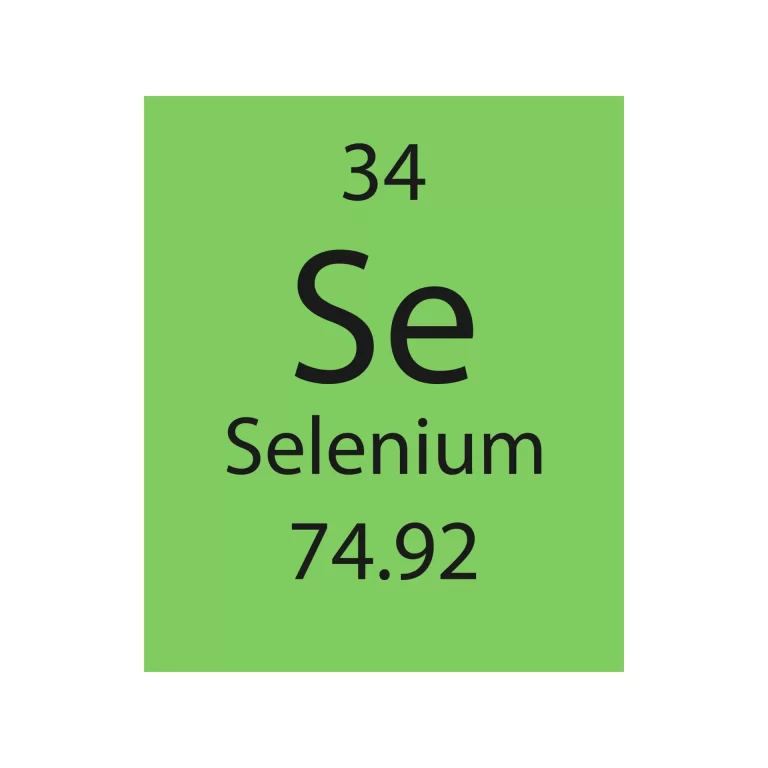
    Selenium

    What is Selenium? The chemical element selenium has the atomic number 34 and the symbol Se. It is a nonmetal (less frequently regarded as a metalloid) having characteristics halfway between sulfur and tellurium, two elements higher and lower on the periodic table, and it has characteristics with arsenic. In the crust of the Earth, it…

  • |

    Iodine

    What is Iodine? Iodine is a chemical element with the atomic symbol I and atomic number 53. One of the most massive stable halogens, it is a semi-lustrous, non-metallic solid at room temperature that melts to a deep violet liquid at 114 °C (237 °F) and boils to a violet gas at 184 °C (363…

  • |

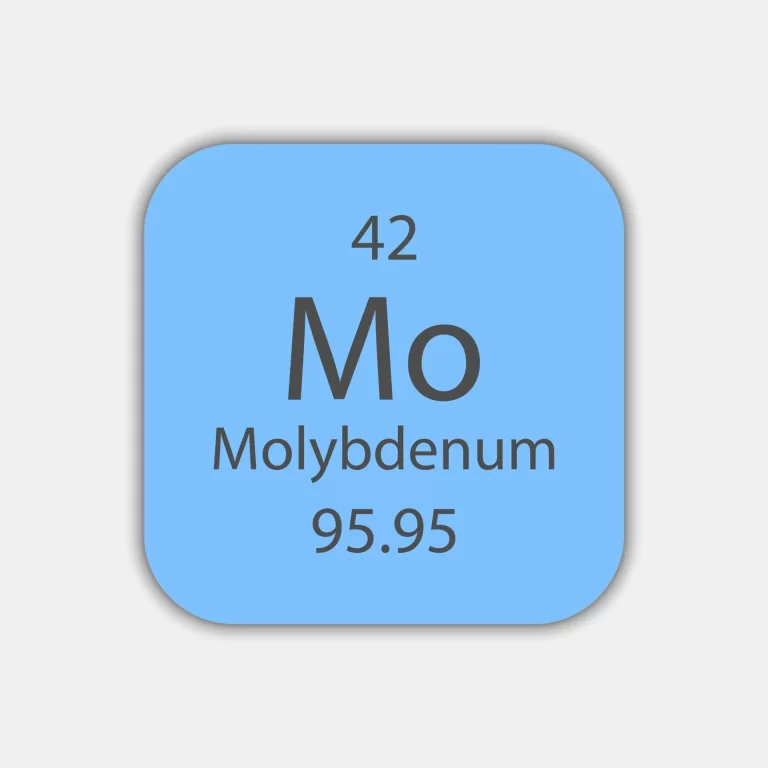
    Molybdenum

    What is Molybdenum? The chemical element molybdenum has an atomic number of 42 and the symbol Mo, which comes from the Neo-Latin molybdenum. Due to confusion between its ores and lead ores, the term came from the Ancient Greek word Μόλυβδoς molybdos, which means lead. Although molybdenum has long been known as a mineral, Carl…

  • |

    Manganese

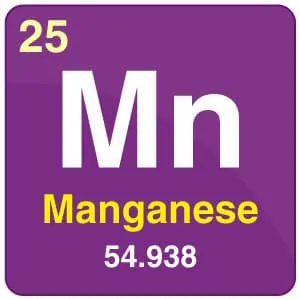
    What is Manganese? The chemical element manganese has the atomic number 25 and the symbol Mn. It is a silvery, hard, and brittle metal that is frequently found alongside iron in minerals. In the 1770s, manganese was first separated. A transition metal, manganese is used in a wide range of industrial alloys, most notably stainless…

  • |

    Copper

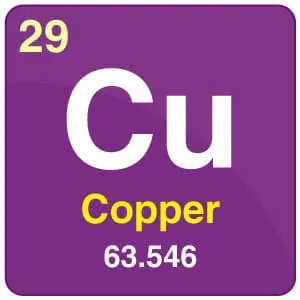
    What is Copper? The chemical element copper has the atomic number 29 and the symbol Cu, which comes from the Latin cuprum. It is an extremely high thermal and electrical conductivity metal that is ductile, soft, and malleable. Upon initial exposure, pure copper has a pinkish-orange hue. In addition to being used as a building…