Author: Arjun Sharma

  • |

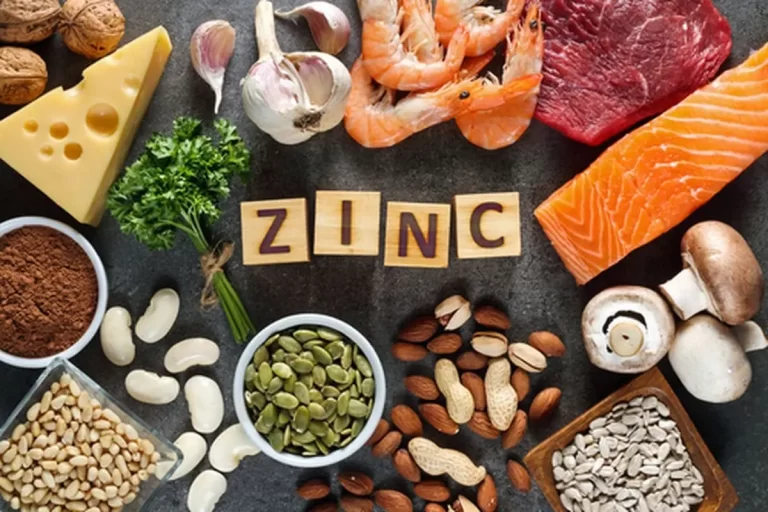
    Zinc

    What is Zinc? The chemical element zinc has the atomic number thirty and the symbol Zn. At room temperature, zinc is a little brittle metal that turns shiny-greyish after oxidation is removed. It is the first element in the periodic table’s group 12 (IIB). Zinc and magnesium are chemically similar in certain ways: both elements…
  • |

    Iron

    What is Iron? Elemental iron possesses the atomic number 26 and the symbol Fe, derived from the Latin ferrum, meaning “iron.” The metal in question is a member of group 8 and the first transition series of the periodic table. It makes up a large portion of the outer and inner core of the planet…

  • |

    Sodium

    What is Sodium? Sodium is a chemical element with atomic number 11 and the symbol Na, derived from the Latin natrium. It’s a very reactive, silvery-white, and pliable metal. Sodium belongs to group 1 of the periodic table, which is an alkali metal. 23Na is the only stable isotope in it. Since it is not…

  • |

    Chlorine (Cl)

    What is Chlorine? Chlorine is a chemical element with the atomic number 17 and symbol Cl. On the periodic table, it is positioned between fluorine and bromine, making it the second-lightest of the halogens. The majority of its characteristics lie in the midway of the two. At room temperature, chlorine is a gas with a yellow-green…

  • |

    Potassium

    What is Potassium? Potassium is an element in chemistry with the atomic number 19 and the symbol K (from Neo-Latin kalium). The metal has a silvery white color and is sufficiently soft to cut with a knife with ease. In a few seconds, potassium metal and air oxygen combine to generate flaky, white potassium peroxide….

  • |

    Phosphorus

    What is Phosphorus? The chemical element phosphorus has the atomic number fifteen and the symbol P. White and red phosphorus are the two main forms of elemental phosphorus; nevertheless, due to its strong reactivity, phosphorus is never found on Earth as a free element. It is found in the crust of the Earth at a…

  • |

    Vitamin B2 (Riboflavin)

    Introduction Vitamin B2, or riboflavin, is a vitamin that can be purchased as a dietary supplement or found in food. It is necessary for the synthesis of flavin adenine dinucleotide and flavin mononucleotide, the two main coenzymes. These coenzymes play a role in normal growth and development, cellular respiration, energy metabolism, and antibody formation. The…

  • |

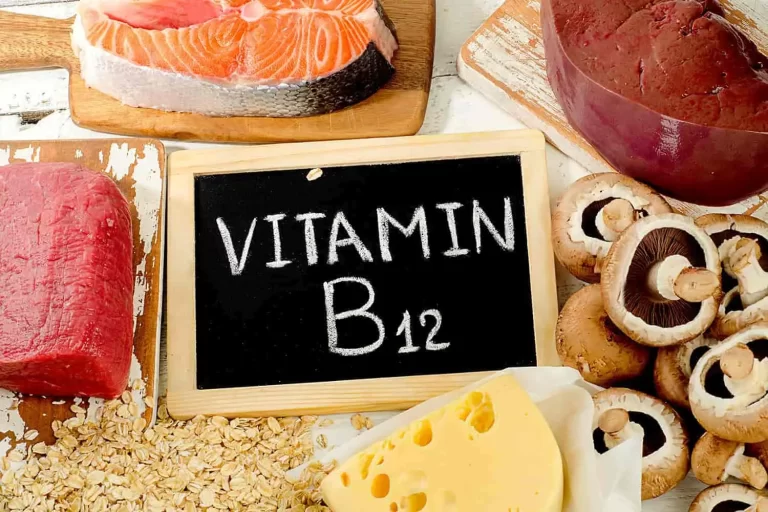
    Vitamin B12 (Cyanocobalamin)

    Introduction A kind of vitamin B12 called cyanocobalamin is used to treat and prevent vitamin B12 insufficiency, with the exception of situations in which cyanide toxicity is present. The deficiency can be brought on by intestinal cancer, fish tapeworm, pernicious anemia, or after stomach surgery. It can be used topically, intramuscularly, or as a nasal…

  • |

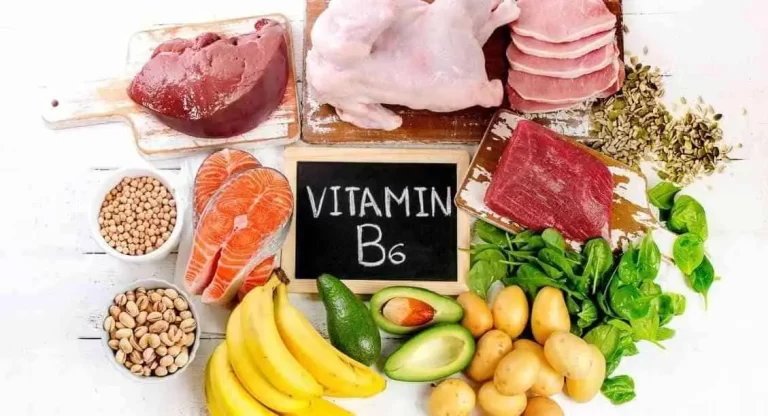
    Vitamin B6 (Pyridoxine, Pyridoxal, Pyridoxamine)

    Introduction Being a B vitamin, vitamin B6 is a necessary component of the diet. The phrase describes a class of six chemically related substances known as “vitamers” that can switch between different forms in biological systems. Pyridoxal 5′-phosphate, its active form, is a cofactor in over 140 enzyme processes related to the metabolism of lipids,…

  • |

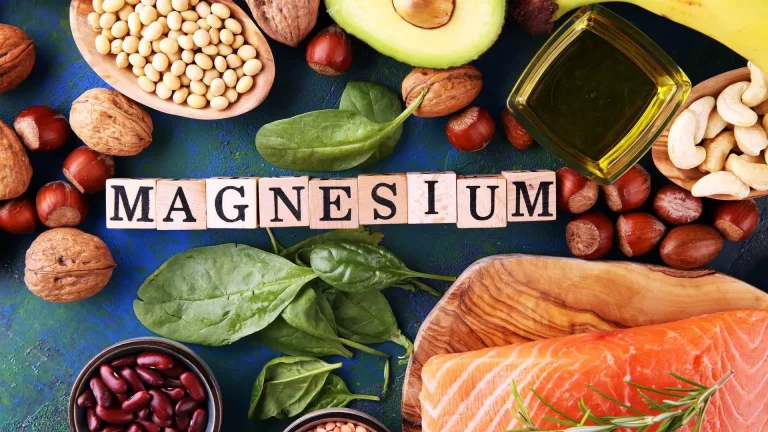
    Magnesium

    What is Magnesium? Magnesium is an atomic number twelve element with the symbol Mg. It is a low-density, low melting point, and highly reactive metal that has a glossy gray color. Similar to other alkaline earth metals (group 2 of the periodic table), it is virtually always in the +2 oxidation state and only occurs…