Author: Arjun Sharma

  • |

    Vitamin D

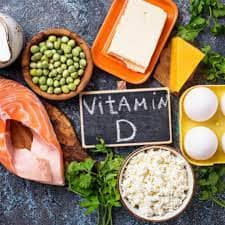
    Introduction Along with many other biological effects, vitamin D is a class of fat-soluble secosteroids that increases intestinal absorption of calcium, magnesium, and phosphate. The two most significant substances in this category for humans are vitamin D2 (ergocalciferol) and vitamin D3 (cholecalciferol). The primary natural source of vitamin D is the production of cholecalciferol in…
  • |

    Vitamin K

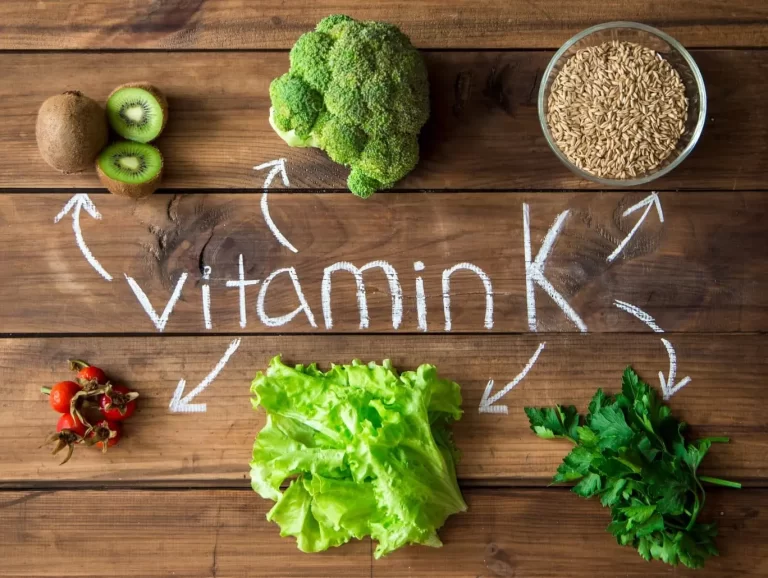
    What is Vitamin K? A family of fat-soluble, structurally identical vitamins, known as vitamin K, is sold as dietary supplements and can be found in food. The human body needs vitamin K to manage the binding of calcium in bones and other tissues, as well as to modify some proteins post-synthesis that are necessary for…

  • |

    Carbohydrate

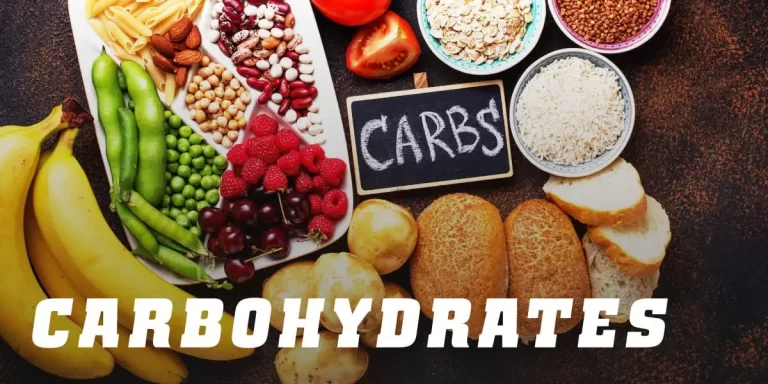
    What is Carbohydrate? The term “carbohydrate” refers to a biomolecule that is made up of carbon (C), hydrogen (H), and oxygen (O) atoms. It is typically associated with a ratio of H to O, as found in water, and thus has the empirical formula Cm(H2O)n, where m may or may not differ from n. This…

  • |

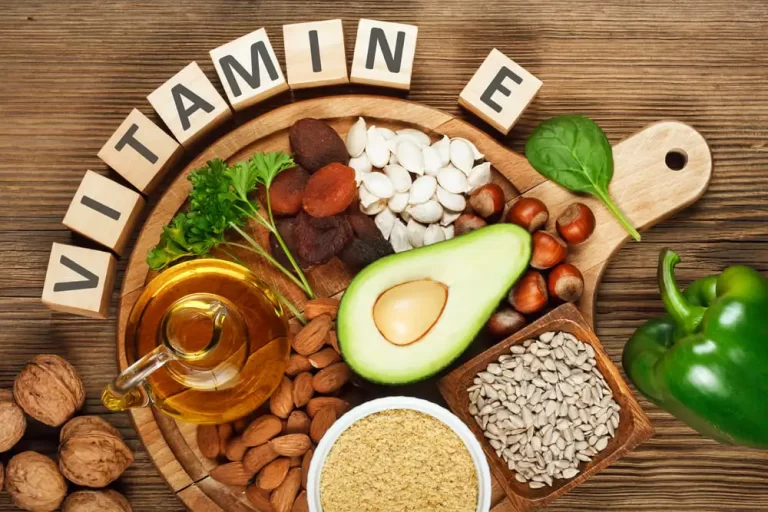
    Vitamin E

    What is Vitamin E? Eight fat-soluble substances make up vitamin E, including four tocopherols and four tocotrienols. Nerve issues can result from a vitamin E deficit, which is uncommon and typically caused by an underlying issue with the digestion of dietary fat rather than from a diet low in the vitamin. As an antioxidant that…

  • |

    Protein

    What Is Protein? Large biomolecules and macromolecules made up of one or more extended chains of residues from amino acids are known as proteins. Within animals, proteins carry out a wide range of tasks, such as triggering metabolic events, replicating DNA, reacting to stimuli, giving cells and organisms structure, and moving molecules from one place…

  • |

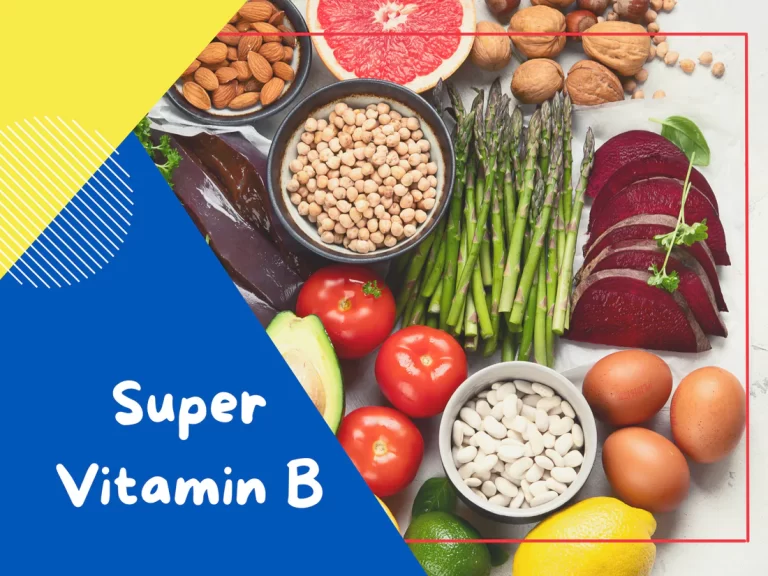
    Vitamin B Complex

    Introduction The eight water-soluble vitamins make up the B vitamin group. They must be changed every day because the body does not store them. Leafy green vegetables, dairy products, legumes, and animal proteins are good sources of B vitamins. In general, they can be classified into two types of metabolism: anabolic metabolism, which produces bioactive…

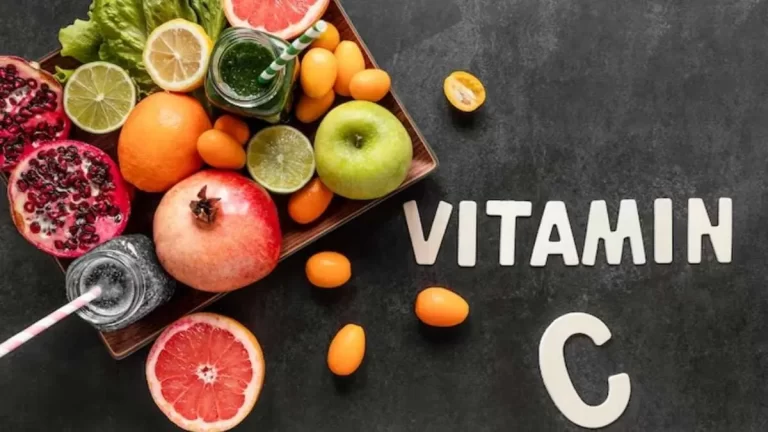
  • Vitamin C

    What is Vitamin C? Ascorbic acid, or ascorbate, is another name for vitamin C, which is a water-soluble vitamin that is present in a wide variety of fruits and vegetables. It can also be purchased as a dietary supplement and used as an ingredient in topical “serum” treatments for wrinkles and dark spots on the…

  • Vitamin A

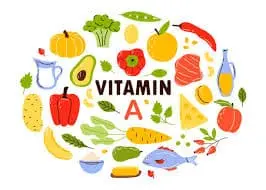
    What is Vitamin A? Animals require fat-soluble vitamin A as one of their basic nutrients. The word “vitamin A” refers to a class of chemically related organic substances that comprises various provitamin (precursor) carotenoids, most notably beta-carotene, retinoic acid, retinol, and retinal (also known as retinaldehyde). Vitamin A performs a variety of tasks, including immune…

  • |

    Vitamins

    What is a Vitamins? Organic compounds known as vitamins, or a group of closely similar molecules known as vitamers, are necessary for an organism’s correct metabolism when present in modest amounts. Essential nutrients must be received through diet since the body is unable to synthesize them in adequate amounts for survival. For instance, some species…