Effective Stress Management Techniques for a Healthier Mind
Stress Management is the practice of using techniques and strategies to control a person’s stress levels, especially chronic stress, to improve daily functioning and overall well-being. It helps maintain mental balance, enhances focus, and promotes a healthier lifestyle.
Stress: What Is It?
- The body’s natural reaction to any demanding situation or stressful event is stress. Stress is how the brain and body react when faced with unfamiliar, difficult, or dangerous situations. When undertaking something new or challenging (such as a test or job interview), a little tension can help keep you motivated, focused, and attentive.
- Regardless of the source, prolonged or excessive stress can have a detrimental effect on one’s physical and emotional well-being. Even positive situations might lead to stress. Any transition, such as beginning a new career or school, getting married, or relocating to a different place, causes stress since the person must adjust.
- In basic terms, stress is the sensation of pressure or tension that arises when the brain and body are overloaded with information or worries.
Types of Stress
Acute Stress
- An urgent threat or challenge brings on this type of short-term stress.
- Examples include hitting the brakes to avoid getting struck by a taxi that is blocking the road or feeling nervous before speaking to your company.
- Usually, it goes away once the incident has happened.
Chronic Stress
Chronic stress is stress that lasts for weeks, months, or years.
For example, having financial struggles, difficulties with family, or prolonged stress from work.
Eustress (Positive Stress)
Eustress is the “good” kind of stress that encourages us to work to achieve our goals.
For example, learning a new skill, beginning a new project, or preparing for a competition.
Eustress enhances creativity, personal development, and self-confidence.
Distress (Negative Stress) – It can put the body in heightened levels of stress responses which could lead to health issues such as depression, heart disease or hypertension.
Chronic Stress
- Stress that lasts for weeks, months, or years is referred to as chronic stress.
- For instance, persistent financial challenges, family issues, or ongoing stress at work
Eustress (Positive Stress)
- The “good” kind of stress that spurs us on to achieve our objectives is called eustress.
Example: Preparing for a competition, beginning a new project, or learning a new skill. It fosters creativity, self-improvement, and self-assurance. - It puts the body on high alert, which can lead to health issues, including depression, heart disease, and hypertension.
Negative stress, or distress
- When stress becomes so intense and/or persistent that it results in exhaustion and frustration, it is referred to as distress.
- For example, continuous stress at work, or major challenges in a person’s life that seem impossible to manage and control.
- Stress damages one’s physical and emotional well-being.
The Importance of Stress Management for Overall Health
- Stress management is crucial, as it can have detrimental effects on all bodily systems if it persists and is not effectively controlled in all facets of our lives.
- The following justifies the significance of stress management:
Stress causes a person to continuously release cortisol and adrenaline. These eventually result in:
- High blood pressure
- Heart conditions
- Diabetes
- Reduced ability to fight
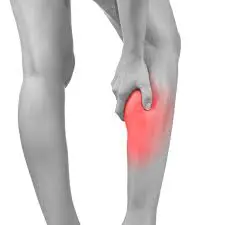
- Muscle aches and headaches
- Enhances Mental Health: Unmanaged stress can lead to anxiety, mood fluctuations, and even depression. Stress management can help you maintain emotional equilibrium and create a more focused and peaceful mind.
- Enhances Sleep Quality: Because stress often results in insomnia or poor sleep quality, having efficient stress-reduction techniques (such as breathing exercises and relaxation before bed) will help you sleep better.
- Enhances Focus and Productivity: Clearer thinking and improved decision-making are possible when one feels at ease. Stress management will help you focus, which will improve your performance at work, school, and in daily life.
- Enhances a good Relationship: When we are less stressed, we are better able to communicate and be more patient. We are also better able to establish good connections in both our personal and professional lives.
- Enhances General Quality of Life: Stress reduction promotes equilibrium between the body, mind, and emotions, making you feel more at ease, energized, and optimistic.
Causes of Stress
Physical Stressors
- The amount of stress we endure is greatly influenced by the state of our bodies.
- It is more challenging to maintain composure, relaxation, and optimism when our bodies are weak, exhausted, or in pain.
The following are a few typical physical stressors:
- Illness or Injury: The body has to deal with additional physical stress while we are unwell or recovering from an injury. To heal, our body is expelling more energy. This might lead to emotional and physical stress.
- Fatigue (Tiredness): Exhaustion from overworking or lack of sleep makes it harder to deal with day-to-day difficulties in a composed manner.
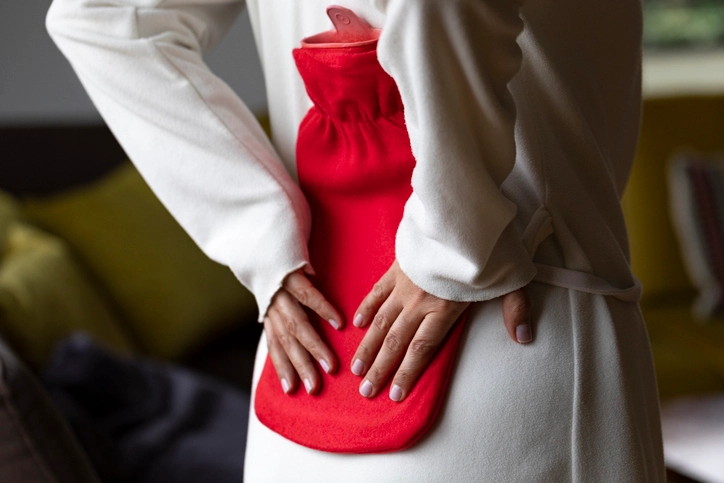
- Pain: Persistent back, neck, or joint discomfort can cause the brain to continuously send stress signals, which can make people tense and irritable.
Emotional Causes of Stress
- The emotions we feel have an impact on our stress levels. When emotional feelings are hard to control, repress, or communicate, emotional stress results.
Emotional stress examples include:
- Anxiety: A condition of mental tension is caused by persistent anxiety about potential outcomes or feelings of inadequacy.
- Anger: If anger or irritation is not managed, little problems can increase into major ones that cause stress and possibly physical signs of anxiety associated with stress, such as headaches or elevated blood pressure.
- Grief or Sadness: Losing a loved one, being rejected, or feeling disappointed in ourselves may all have a profound emotional impact on us, resulting in stress and/or emotional exhaustion.
Environmental Stressors
- Stress can also result from having to continually cope with the emotional anguish or pressure that the risks in the world cause.
Typical emotional stresses include the following:
- Workload and Deadlines: An excessive amount of work or an atmosphere at work or school that places unreasonably high expectations on performance might make you feel overburdened.
- Noisy and Congested Environment: Prolonged loud noises or even a lack of personal space can aggravate the mind and make people more stressed.
- Relationships and Social Pressure: A person may get emotionally spent and harmed by issues with family, friends, coworkers, or superiors. Lack of support and social comparisons can also cause stress.
Lifestyle-Related Causal Factors of Stress
- The way we spend our life has a big influence on how we manage our emotions on a daily and contemporary level. Unhealthy behaviors and self-care routines cause unnecessary stress.
The following are some of the primary lifestyle-related stressors:
- Insufficient or Restful Sleep: Insufficient sleep impairs our mood, concentration, and vitality.
- Poor Diet: Eating too little or too much junk food causes our hormones to become unbalanced and our moods to become erratic, which makes us irritable and exhausted.
Symptoms and Effects of Stress
- Stress affects the mind as well as the entire body. When we are under stress, our brain produces hormones, for instance, adrenaline and cortisol, that prepare the body to respond to pressure/danger.
- However, stress that persists beyond the short-term begins to manifest in our physical, mental, and emotional well-being.
- The more we can recognize these symptoms early, the more we can manage stress before it becomes problematic.
Symptoms in the body
- The body reacts to stress first. We may experience a decrease in energy, tight muscles, and an increase in heart rate.
- Symptoms that are often reported include:
- Headache: Prolonged stress can cause tension headaches and migraines, which are among the most prevalent symptoms.
- Muscle Tension and Pain: This illness, which is often associated with chronic stress, is most prevalent in the neck, shoulders, and back, where muscles are tense and flex excessively, causing stiffness and pain.
- Fatigue: Although there are several causes of fatigue, many people who report feeling exhausted or lacking energy at rest have chronic fatigue.
- Gastrointestinal Issues: Stress can cause nausea, upset stomach, and even appetite suppression.
- Sleep Disturbance: People who experience chronic stress frequently report having trouble getting to sleep, staying asleep, or waking up throughout the night.
Emotional and Mental Signs
- Our ideas and emotions are directly impacted by stress. We may become more reactive as a result of emotional system disruption caused by ongoing stress.
Typical emotional and mental symptoms include:
- Irritability/Anger: Minor stressors might cause anger or rage.
- Mood swings are when your mood shifts from joyful to depressed or nervous for no apparent reason.
- Anxiety/Worry: Thinking about something all the time, feeling agitated, or fearing something will go wrong.
- Concentration Issues: Having trouble staying focused once your thoughts stray.
- Feeling overburdened: The incapacity to handle obligations or duties that arise.
Changes in Behavior
- Stress can affect how we act and respond to circumstances. We frequently employ harmful coping mechanisms, often without even being aware of it. The following behaviors indicate that a person is under stress:
Overeating, or the reverse of loss of appetite, is when someone eats too much or too little in response to stress.
- Alcohol Use and Smoking: Using drugs or alcohol to “relax,” such as smoking cigarettes or having a few drinks, actually makes the issue worse rather than better.
- Poor Attention or Forgetfulness: Having trouble focusing or recalling certain events.
- Social Withdrawal: Reducing social connections and staying away from once-enjoyable activities or events.
- Fingers/Fidgeting: Habits like nail-biting, pacing, or fidgeting with your hands are examples of physical reactions to stress.
Typical long-term effects consist of:
- Chronic hypertension, or high blood pressure: Long-term stress causes blood pressure to rise, which increases the risk of a heart attack or stroke.
- Heart Disease: Stress hormones put more strain on your heart, which can cause artery damage or irregular heartbeats.
- Depression and Anxiety Disorders: Prolonged stress can change the chemistry of the brain, which can result in panic attacks, depressive symptoms, or hopelessness.
- Immune system weakness: a higher risk of becoming sick and a slower rate of recovery.
- Diabetes and Weight Gain: Stress can alter hormone levels and eating patterns, which raises the risk of metabolic diseases.
The Science Behind Stress
- Your brain and body work together to protect you from stress. Stress is common. It is the body’s and brain’s natural reaction to a threat or challenge.
What the Nervous System Controls
Two mechanisms in our bodies aid in stress management.
- The fight-or-flight sympathetic nervous system activates in response to stress. Your breathing quickens, your muscles tense, and your heart beats more rapidly. Here’s how you handle stress.
- Rest and Relaxation: Your body’s parasympathetic nervous system takes over to create a state of quiet. Once the tension has passed, it helps you rest once again and lowers your heart rate.
Cortisol and Adrenaline Hormonal Reaction
- The body releases two main hormones while under stress:
- Adrenaline: Quickly takes effect; it raises your heart rate and alertness level.
- Although too much cortisol over time can be harmful to your health (leading to fatigue, weight gain, and high blood pressure), it keeps your body prepared for prolonged periods of stress.
Mind-Body Connection
- The mental and physical aspects are connected.
- When you are anxious, your body experiences this (headache, tightness, stomach disturbance).
- When your body is relaxed (with deep breathing, practicing yoga, or exercising), so is your mind.
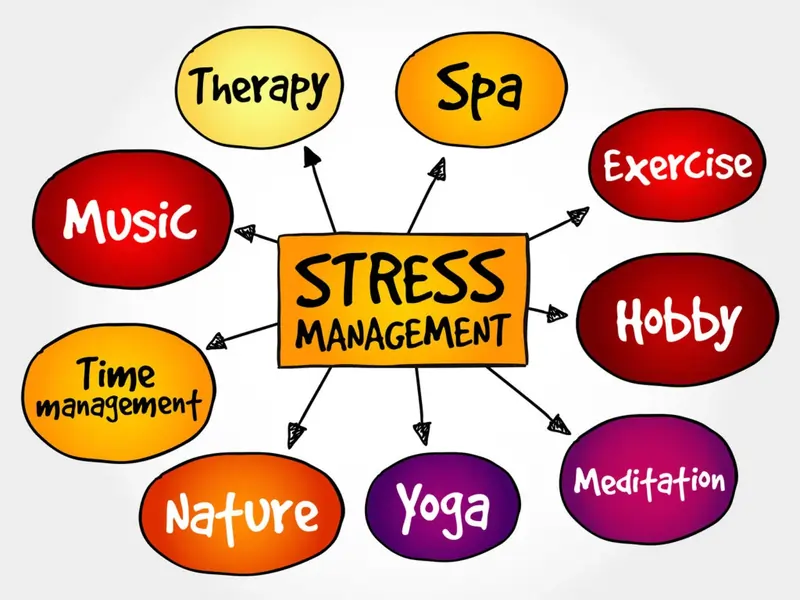
Stress Management Methods
Physical Methods
- One of the finest ways to reduce stress is through physical methods.
- When we use our bodies, it helps release tension in the body, elevate our mood, and make the body feel relaxed.
- Engaging in physical activity is a natural and effective method of reducing stress.
- Exercise causes the body to release endorphins, or “happy hormones,” which improve mood and lower stress levels.
- Additionally, exercise increases energy, self-confidence, and quality of sleep.
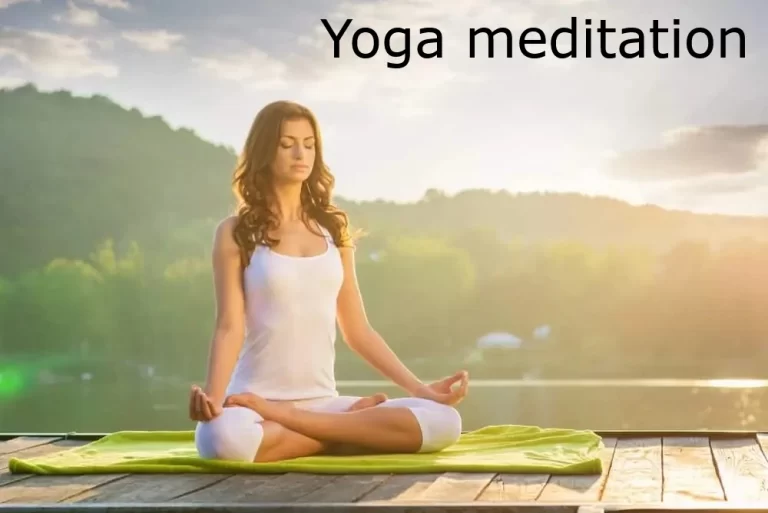
Stretching and Yoga
- Yoga incorporates attention, breathing, and gentle movements.
- It eases mental stress, increases flexibility, and eases tense muscles.
- Additionally, stretching eases tense muscles that frequently retain stress, particularly those in the neck, shoulders, and back.
Methods of Breathing
- One simple and efficient method of stress management is deep breathing. The brain receives this signal to switch from “fight or flight” to “rest and relax.”
Two easy methods:
- Breathe deeply by taking a slow, deep breath via your nose, holding it for a few seconds, and then slowly letting it out through your mouth.
- Breathe deeply into your abdomen rather than just your chest while doing diaphragmatic breathing. It lowers nervous system activity and slows your heart rate.
Progressive muscle relaxation(PMR)
- You may let go of any stress in your body by using PMR.
- This entails tensing a muscular group (arms, shoulders, etc.) for a few seconds and then letting it relax.
- From head to toe, you may perform this exercise for each of your body’s primary muscle groups.
- Your body will gradually learn how to feel calm and tense.
Psychological Methods
Mindfulness meditation
- Mindfulness refers to being completely present, or focused, in the present moment: being aware of your breathing, body, or environment, without any judgment.
- It can help decrease reflection, clarify focus, and create a sense of calm.
Modifying Negative Thought Patterns with Cognitive Restructuring
- Negative thinking patterns like “I can’t do this” or “Everything is going wrong” frequently lead to an increase in stress.
- The process of substituting realistic or optimistic ideas with pessimistic ones is known as cognitive restructuring.
Keeping a journal and practicing gratitude.
- You can express your feelings and decompress by writing down your ideas.
- You might put your concerns in writing or make a list of your blessings.
Lifestyle Modifications
Good Sleep Practices
- Restoring energy and lowering stress hormones requires restorative sleep. Avoid using electronics just before bed, establish a pattern, and try to get 7 to 8 hours of sleep each day.
- Nutrition in Balance: Eating nutritious food promotes both physical and mental well-being. Eat a diet rich in fruits, vegetables, whole grains, and water, and don’t miss meals. Limit processed meals and sweets.
Reducing Alcohol and Caffeine Use
- Excessive consumption of alcohol or coffee can worsen anxiety and interfere with sleep.
- Instead, try drinking fresh juice, water, or herbal tea.
- You may maintain mental stability and physical calmness by practicing moderation.
Techniques for Time Management
- Ineffective time management might cause more stress.
- Create a daily routine, rank your duties, and take pauses in between.
- Never hesitate to say “no” when you’re feeling overburdened.
Role of Physiotherapy in Stress Management
Guided Breathing and Relaxation Therapy
- Physiotherapists can instruct patients in methods including meditation, deep breathing, and guided relaxation.
- These methods aid in calming the nervous system, relieving stress, and promoting mental relaxation.
Manual Treatment for Relaxing Muscles
- Passive stretching, soft tissue releases, and massage are all part of manual therapy.
- These methods aid in releasing tense muscles caused by stress, frequently in the back, shoulders, and neck.
Adjusting Your Posture to Reduce Tension in Your Muscles
- Poor posture can worsen discomfort and tension by putting unnecessary strain on our muscles.
- Physiotherapists provide posture correction services through movement training, ergonomic advice, and customized exercises.
Role of Exercise Prescription for Mental Well-being
- Physiotherapists will facilitate a customized exercise program to therapists will facilitate a customized exercise program to each individual to promote strength, flexibility, and endurance.
- Regular aerobic activity increases endorphins, commonly referred to as the “feel-good hormones,” that will naturally help alleviate anxiety and stress if not eliminated completely.
Complementary and Alternative Methods
Using alternative therapies can reduce stress and enhance general well-being in addition to physical activity and mental exercises.
Aromatherapy
- Essential oils like peppermint, chamomile, and lavender may help reduce anxiety and relax the mind. Fragrant candles, oils, and diffusers can all be used for aromatherapy.
- Listening to calming music or the sounds of nature can lessen stress hormones and your heart rate.
- Additionally, it can shift your thoughts to positive emotions, which can help you feel refreshed and at ease.
Therapeutic Massage
- Stress may be decreased, blood circulation can be enhanced, and muscular tension can be released with massage treatment.
- Additionally, it causes endorphins to be released, which elevates your mood and promotes relaxation.
Dance therapy or art therapy
- Painting, sketching, dancing, or dancing to music are examples of creative pursuits that facilitate emotional expression and stress relief.
- These treatments boost self-esteem, elevate mood, and strengthen mental toughness.
Preventive Stress Management Techniques
- Avoiding stress is preferable to dealing with it. Small regular routines can build resilience and strength in the body and mind.
- Building Resilience: Resilience is the capacity to bounce back from setbacks.
Practice remaining composed when dealing with little issues. Remain optimistic and focus more on finding answers than worrying.
Building Up Your Emotional Intelligence
- Being emotionally intelligent is being aware of and in control of your feelings.
- It enables you to speak clearly, react calmly under pressure, and create closer bonds with others.
Consistent Self-Care Practices
- Activities that revitalize the body and mind are included in self-care, including:
- Yoga or exercise
- Hobbies or reading
- Getting enough sleep
- Techniques for relaxation
- Maintaining Social Relationships
- Feelings of loneliness are lessened, and consolation is provided by spending time with loved ones, friends, or supportive groups.
- Stress may be naturally released via sharing ideas and emotions.
When to Seek Help
- Stress might occasionally feel too much to bear on one’s own. It’s best for your health and well-being to know when to seek expert assistance.
- Indications of Chronic Stress or Burnout: You may want to think about seeking assistance if you encounter: Constant exhaustion or poor energy, having trouble falling asleep, or frequent failure to do. Insufferable agitation, nervousness, or depression. Lack of interest in daily tasks, physical symptoms such as gastrointestinal problems, high blood pressure, and headaches.
Role of Professionals
- Counselors or Psychologists: Aid you in managing emotions, altering negative thought patterns, and developing a coping strategy.
- Physiotherapists: Assist in muscle relaxation, posture correction, guided exercises, and relaxation techniques to facilitate the reduction of both physiological and psychological tension.
Conclusion
- Stress management is important for mental and physical health because continued experiences of stress can impact your mood, energy level, relationships, and health.
- When you use regular stress-relieving methods like exercise, deep breathing, mindfulness, sleep hygiene, and healthy habits, regular stress can lessen, and you can recover more quickly from stress when it occurs.
- Daily and minute changes, i.e., a small walk, journaling, or enjoying time with friends, help in the stress management process. Taking time for self-care and applying stress management approaches daily assists you in staying calm, focused, and balanced, which leads to a greater quality of life.
FAQs
How can I know if I’m under stress?
You could experience anxiety, frustration, or overwhelm on a regular basis. Stress can also be indicated by physical symptoms, including perspiration, restlessness, a fast heartbeat, or appetite loss.
How can physical activity help with stress management?
Endorphins, which are natural mood enhancers that lower anxiety and despair, are released when you exercise. Additionally, it enhances resistance to stress, self-confidence, and sleep quality.
Can stress levels be influenced by diet?
Yes. Both physical and mental health are supported by a well-balanced diet full of fruits, vegetables, complete grains, and lean meats. Avoid processed foods, sweets, and caffeine in excess, as they can worsen anxiety.
What is relaxation therapy?
Techniques that assist in relaxing the mind and easing tense muscles include progressive muscle relaxation, guided imagery, and meditation.
What makes stress different from anxiety?
Anxiety is an internal reaction that may continue even after the stressor has passed, whereas stress is often a reaction to an external source (such as deadlines or arguments).
Can stress lead to gaining or losing weight?
Yes. Weight fluctuates throughout time as a result of chronic stress’s effects on metabolism and appetite. Some people lose their appetite, while others overeat.
What are some quick methods for reducing stress?
Try stretching, meditation, taking small walks, deep breathing, aromatherapy, or music. These promote immediate clarity and calm.
Is it possible to eliminate stress entirely?
Not totally. Although stress is a normal part of life, it may be effectively controlled by engaging in self-care and healthy coping strategies.
References
- Professional, C. C. M. (2025, June 30). Stress management and emotional health. Cleveland Clinic. https://my.clevelandclinic.org/health/treatments/6409-stress-management-and-emotional-health
- Stress. (2025, June 2). Cleveland Clinic. https://my.clevelandclinic.org/health/diseases/11874-stress
- Stress – types, symptoms, causes, effects, prevention & management. (2025, September 13). Apollo Hospitals. https://www.apollohospitals.com/diseases-and-conditions/stress-types-symptoms-causes-effects-prevention-management
- uhs@HBHS. (2024, June 10). The 3 types of stress & How to deal with them. Hartgrove Hospital. https://hartgrovehospital.com/the-3-types-of-stress-how-to-deal-with-them/
- Six strategies for Effective stress Management. (n.d.). New Year Improved You Cultivating a Healthy Mind and Body. https://grad.uc.edu/student-life/news/six-strategies-for-effective-stress-management.html