• High cholesterol

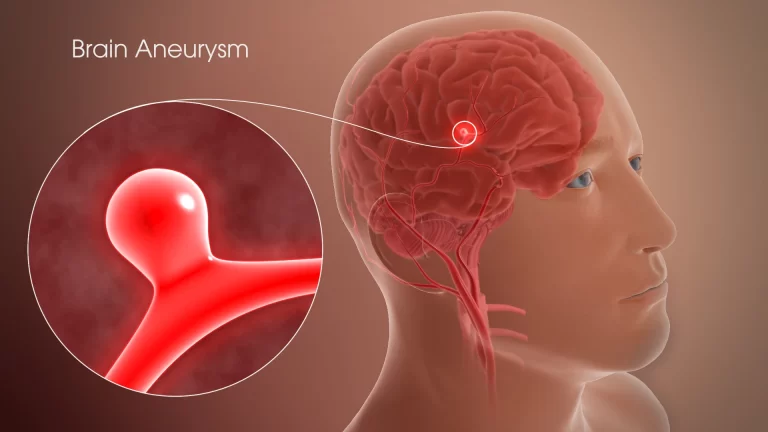
    Overview Cholesterol is a waxy substance. it is found in the blood. the body requires cholesterol to build healthy cells, but high levels of cholesterol can raise the risk of heart disease or Brain Disease. With high cholesterol, individuals can develop fatty deposits in their blood vessels. Ultimately, these deposits grow, making it difficult for…

  • |

    Hypercapnia

    What is Hypercapnea? Hypercapnia (from the Greek word hyper means too much and kapos means smoke), also called hypercarbia (CO2 retention) is a disease of abnormally increased levels of carbon dioxide (CO2) in the blood. Carbon dioxide is a gaseous outcome of the body’s metabolism and is generally expelled via the lungs. Carbon dioxide may…

  • Evidence-Based Practice (EBP)

    What is Evidence-Based Practice? Evidence-based practice is the integration of great research evidence with the best available scientific research, clinical experiments, and patient values. which applied by healthcare workers will ultimately lead to improved patient health. These 3 variations of evidence clinical expertise, scientific research, and patient values and circumstances form the basis on which…

  • Forebrain

    Introduction of the forebrain The forebrain (prosencephalon) is the substantial part of the brain, most of which is the cerebrum. other cardinal structures present in the forebrain comprise the thalamus, the hypothalamus, and the limbic system. The cerebrum is bisected into two cerebral hemispheres connected by a mass of white matter called the corpus callosum….

  • Proteus syndrome

    What is Proteus syndrome? Proteus syndrome is a rare genetic disease that causes extreme growth of your skin, bones, organs, and/or tissues. The condition causes parts of your body to expand out of proportion with the rest of it. The overgrowth is generally asymmetrical, suggesting it involves the right and left sides of your body…

  • Cancer

    What is Cancer? Cancer is a wide term. It defines the condition that results when cellular changes generate the uncontrolled growth and separation of cells. Some varieties of cancer cause rapid cell growth, while further causing cells to grow and separate at a slower rate. Specific forms of cancer result in observable growths known as…

  • |

    Best Physiotherapy Clinic In Chandlodiya, Ahmedabad

    If you are looking for the Best Physiotherapy clinic near you in Chandlodiya, we have updated the list of Physiotherapy clinics in Chandlodiya, Ahmedabad. List Of Physiotherapy Clinic In Chandlodiya: Reehabcare Physiotherapy Clinic Clinic Address:1, Gopi Krishna society,Chandlodiya talav,Chandlodiya, Ahmedabad, Gujarat 382481 Contact Number:09426412868 Clinic Timing:Monday 8:30 am–1 pm, 4–8:30 pmTuesday 8:30 am–1 pm, 4–8:30 pmWednesday 8:30 am–1 pm, 4–8:30 pmThursday 8:30 am–1 pm, 4–8:30 pmFriday 8:30 am–1 pm,…

  • Hindbrain

    What is a Hindbrain? The hindbrain (developmentally obtain from the rhombencephalon) is one of the three major areas of the brain, situated at the lower back part of the brain. It comprises most of the brainstem and a dense coral-shaped composition called the cerebellum. The brainstem is one of the very important parts of the…

  • |

    Lumbar plexus

    Introduction The lumbar plexus is a compound neural network formed by the lower thoracic and lumbar ventral nerve roots. They are formed where T12 to L5 leave the spinal cord through intervertebral foramina. The supply motor and sensory supply to the lower limb and pelvic girdle The nerves get arising from the lumbar plexus are…

  • Cowden syndrome

    What is Cowden syndrome? Cowden syndrome is an irregular, autosomal dominant, inherited disease in which noncancerous growths also called hamartomas on different parts of the body, involving the thyroid, breast, brain, uterus, and mucocutaneous tissues with an increased risk of malignancies. It is also called multiple hamartoma syndrome. Other conditions that are related to the…