
Tendinitis
What is Tendinitis?
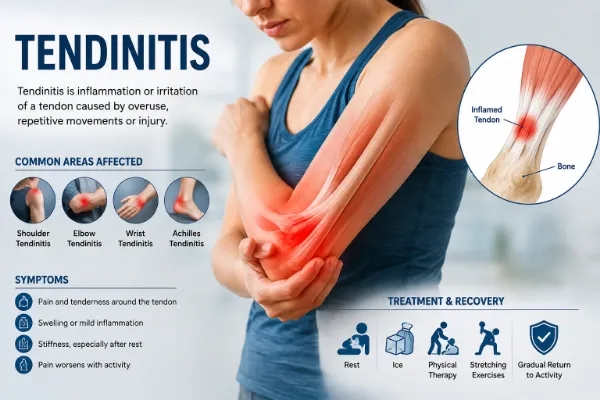
Tendinitis is an inflammation of the tendon. A tendon is a thick fibrous cable that connects muscle to bone. It is also called tendinitis. It is the connective tissue that links muscles and bones. Normally, tendons are flexible but sufficiently strong to stretch and endure stress. It might be acute (short-term) or chronic. The disorder produces pain and soreness above a joint. Tendinitis makes it harder to move the affected joint.
Tendinitis pain is commonly mistaken for arthritis since it occurs in the joints. This disorder is more frequent among persons over the age of 40 and athletes.
Tendinitis can affect any of the tendons. However, it is most commonly found on the shoulders, elbows, wrists, hips, knees, Achilles tendon, base of the thumb, and heels.
Types of Tendinitis
Tendinitis can appear in many regions of the body, resulting in different kinds depending on the affected location and related activities. Some frequent kinds of tendinitis are:
- Tennis elbow (Lateral epicondylitis): This kind of tendinitis affects the tendons on the outside of the elbow and is usually caused by repeated wrist and arm motions, such as those working in tennis and other tennis-like activities.
- Golfer’s elbow (medial epicondylitis): This kind of tendinitis affects the tendons on the inside of the elbow and is frequently caused by repetitive gripping and swinging motions. It is common in golfers, but it can also occur in other hobbies that involve similar movements.
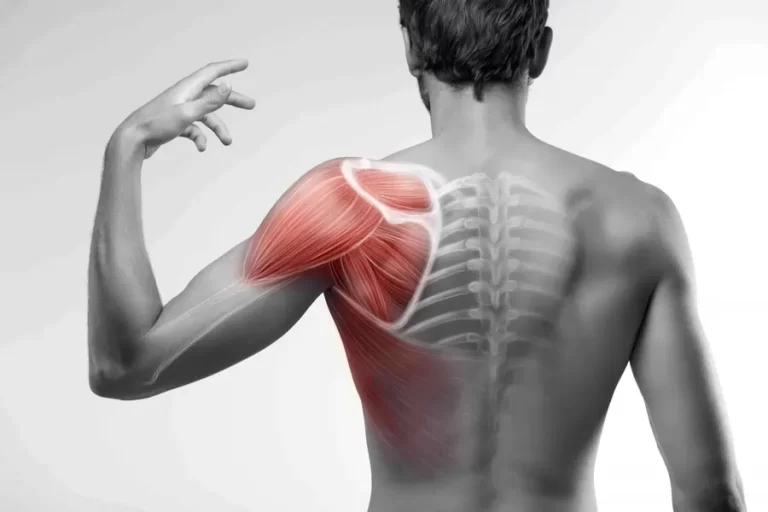
- Pitcher’s shoulder: This kind of tendinitis affects the tendons and muscles surrounding the shoulder joint and is frequent in cricket bowlers and baseball pitchers due to their repeated overhead throwing action.
- Swimmer’s shoulder: This kind of tendinitis affects the tendons and muscles in the shoulder and is most frequent among swimmers owing to the repetitive overhead arm motions required in swimming strokes.
- Runner’s or jumper’s knee: This kind of tendinitis affects the patellar tendon, which links the kneecap to the shin bone. It is frequently observed in runners and sportsmen who engage in jumping exercises, which can cause pain and inflammation around the knee joint.
- Achilles tendinitis: The Achilles tendon is a thick band of tissue that connects the heel to the calf muscle. This tendon lets a person walk, run, and jump while also enduring a considerable degree of stress. Achilles tendinitis is a prevalent medical condition. It is frequently the result of general overuse or increased activity intensity rather than a single injury. Achilles tendinitis can also be caused by tight calf muscles.
- De Quervain’s stenosing tenosynovitis: De Quervain’s tenosynovitis results from inflammation of the sheath that surrounds the tendons between the thumb and wrist. The tendon sheath thickens and swells, making it difficult to move the thumb.
- Trigger finger or thumb: When a person straightens their finger, the trigger finger makes a clicking sound. The finger remains bent due to thickening and inflammation of the tendon sheath in the palm. This inhibits the tendon’s mobility, preventing it from moving smoothly.
Causes of Tendinitis
Tendinitis can be caused by a sudden injury, repeated movement, or excessive joint usage. Many people acquire tendinitis as a result of repetitive activities at work or in their hobbies. This increases the tension on tendons.
Repeatedly doing the same activity while working or participating in sports might lead to tendinitis. The danger increases if you do the maneuver wrong. Moving appropriately is particularly important while doing repetitive movements in sports or at work. Moving inappropriately might increase the strain on the tendon, resulting in tendinitis.
It can be caused by repeated stress or usage, such as:
- Performing repeated activities, such as chopping vegetables or working on a keyboard for extended periods of time.
- Having improper posture.
- Wearing unsupportive shoes
- Excessive exercise
Risk Factors
Anyone can develop tendinitis. However, it is more typical in those who perform repetitive tasks on a daily basis. Some of these actions are:
- Gardening/landscaping
- Cleaning home
- Woodworking or Carpentry
- Painting
- Scrubbing
- Athletes who participate in certain activities such as running, tennis, golf, skiing, bowling, or basketball (throwing or pitching) are more likely to get tendinitis. A person may also be at a higher risk if their employment involves physical activity, overhead lifting, or repeated motions or duties.
Other risk factors for tendinitis include:
- Bad posture: Poor posture at work and home, as well as inappropriate walking patterns.
- Disease: The presence of specific disorders that might weaken the muscles. These diseases could include:
- Rheumatoid arthritis
- Psoriatic arthritis: This is a condition that combines psoriasis with arthritis. Most people experience throbbing pain and stiffness around the tendons of their fingers, hands, and toes.
- Thyroid disorder
- Gout/pseudogout
- Blood or kidney diseases
- An abnormal or poorly placed bone or joint (for example, leg length differences or arthritis in a joint) can put additional strain on soft tissues.
- Aging: It is most typically observed in persons aged 40 and older. Tendons weaken with age, becoming less elastic and prone to tears.
- Medications: It happens very rarely, but can cause tendons to rip. These drugs may include: Fluoroquinolone antibiotics (such as ciprofloxacin and norfloxacin), statins (cholesterol-lowering medications)
- Repetitive work: It is defined as overuse or doing too much work too fast when the tendons are not used to performing a movement or activity. It is frequent among “weekend warriors,” who play and exercise hard exclusively on weekends.
- Infection: It can be caused by infections, such as those from cat or dog bites to the hand or finger.
Symptoms of Tendinitis:
- Pain: Tendinitis often produces localized pain that can range from mild to severe. The pain may intensify with movement of the affected joint or muscle, and it can be characterized as dull, painful, or acute.
- Swelling: Inflammation of the tendon can cause swelling in the affected region. Swelling, whether visible or felt, can cause pain and limit range of motion.
- Tenderness: The affected tendon may be sensitive to the touch, particularly when pressure is applied. Tenderness can aggravate pain and signify tendon inflammation or irritation.
- Stiffness: Tendinitis can cause stiffness in the affected joint or muscle, making it difficult to move or perform specific tasks. Stiffness may be particularly noticeable after a period of rest or when you first wake up.
- Weakness: Tendinitis may cause weakness in the affected muscle or joint. Weakness may be obvious during tasks that demand strength or coordination, affecting overall function and performance.
- Warmth and redness: Tendon inflammation can make the skin around the affected area feel warm to the touch and seem red or flushed. These inflammatory indications may be present in addition to other tendinitis symptoms.
Complications of Tendinitis
While tendinitis is a common and frequently manageable condition, it can lead to consequences if left untreated or if the underlying reasons are ignored. Tendinitis may lead to the following complications:
- Chronic pain: If tendinitis is not treated properly, it can become chronic, resulting in continuous or recurring pain in the affected region. Chronic pain can have a major impact on quality of life and may need more intense treatment techniques to be properly treated.
- Tendon rupture: Severe or persistent tendinitis can damage the tendon structure, increasing the chance of tendon rupture, which occurs when the tendon partly or totally tears. Tendon ruptures are normally repaired surgically and can cause long-term functional disability.
- Reduced range of motion: Tendon inflammation and scarring can cause stiffness and reduced flexibility in the affected joint. This might limit range of motion, making it difficult to do daily tasks or participate in recreation and sports.
- Loss of function: Severe Tendinitis or tendon rupture can cause loss of function in the affected joint or limb, reducing movement and affecting overall performance. This can have a significant effect on everyday tasks, necessitating rehabilitation or the use of assistive technologies to restore function.
- Secondary injuries: Pain or stiffness in the affected area might cause compensatory movements or changed biomechanics, increasing the risk of secondary injuries to neighboring muscles, joints, or soft tissues. These secondary injuries may aggravate symptoms and prolong healing.
Diagnosis
Tendinitis is diagnosed using a mix of medical history review, physical examination, and, in certain circumstances, imaging scans or diagnostic testing. Here’s a summary of the diagnostic procedure for tendinitis:
- Medical history review: The doctor will inquire about your symptoms, medical history, and any recent activities or injuries that may have caused your symptoms. Providing specific information on when your symptoms began, the location and level of pain, and any things that aggravate or relieve your symptoms will help in the diagnosis procedure.
- Physical examination: The doctor will examine the affected region for indications of tendinitis, such as soreness, swelling, warmth, and restricted range of motion. They may also use particular exercises to replicate your symptoms and assess tendon function and integrity.
- Imaging studies: In some cases, X-rays, ultrasounds, or magnetic resonance imaging (MRI) may be used to see the damaged tendon and its surroundings. These imaging techniques can help rule out other illnesses that may resemble tendinitis, such as fractures, arthritis, or tendon tears, as well as offer more details regarding the severity of inflammation or structural abnormalities.
- Diagnostic tests: In some circumstances, tendon ultrasonography or magnetic resonance tenography (MRT) may be utilized to evaluate the tendon.
Treatment
Home Treatment
RICE Protocol
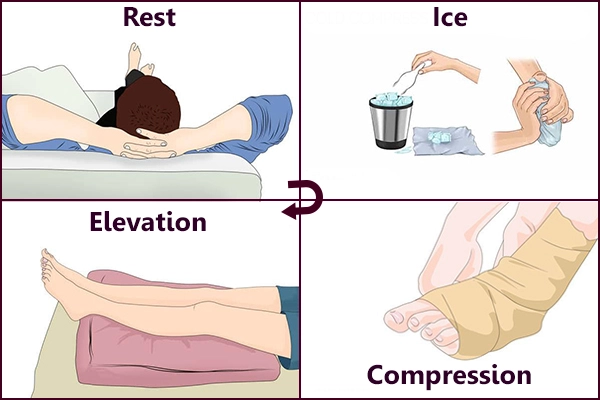
- Rest: The injured tendon is critical to allow it to recover. Avoid activities that aggravate or strain the tendon, and make time for relaxation in your everyday routine.
- Ice therapy: Using ice packs on the affected area for 15-20 minutes many times per day can help decrease pain and inflammation. Wrap the ice pack with a cloth to prevent frostbite.
- Compression: A compression bandage reduces swelling, which can cause loss of mobility in an injured joint. Wrap the wounded area tightly until swelling subsides. Use wraps or elastic bandages to provide compression.
- Elevation: It helps to reduce edema. If you have tendinitis in your knee or ankle, elevate the affected leg above the level of your heart to minimize swelling.
- Although rest is necessary for treating tendinitis, not moving joints might make them stiffer. After a few days of resting the injured region, gradually move it throughout its complete range of motion to keep your joints flexible and mobile.
Medical Treatment:
- Pain relief medications: Nonsteroidal anti-inflammatory medicines (NSAIDs), such as ibuprofen or naproxen, can help relieve the pain and inflammation caused by tendinitis. Follow the dose guidelines and speak with your doctor if you have any concerns or medical issues.
- Corticosteroid injections: In some circumstances, your doctor may prescribe corticosteroid injections straight into the damaged tendon to relieve inflammation and pain. These injections are usually reserved for severe instances and can provide brief relief.
- Extracorporeal Shock Wave Therapy (ESWT) is a non-invasive therapy that employs shock waves to accelerate healing in the affected tendon. This treatment may help with persistent or resistant tendinitis.
- Platelet-Rich Plasma (PRP) Therapy: A concentrated solution of platelets from your own blood is injected into the damaged tendon to enhance healing and minimize inflammation.
Surgery:
- Depending on the severity of your tendon damage, surgical treatment may be required, particularly if the tendon has torn away from the bone.
Physical therapy :
Physical therapy is an effective treatment for tendinitis. Exercise can assist to strengthen your muscles and tendons. Eccentric (lengthening) strengthening, which emphasizes the contraction of a muscle as it lengthens, is an effective therapy for many chronic tendon disorders.
Pain Management
- Ice Therapy: To reduce swelling and ease pain.
- Ultrasound Therapy: For deep tissue healing.
- Electrotherapy: Such as TENS (Transcutaneous Electrical Nerve Stimulation) to manage pain.
Manual Therapy
Massage and joint mobilization are two hands-on treatments that can increase circulation, decrease stiffness, and promote tissue repair.
Therapeutic Exercises
Tailored workouts assist in strengthening the damaged tendon and surrounding muscles, restoring function and preventing repeat episodes. Common exercise methods include:
Gentle range-of-motion exercises
Examples:
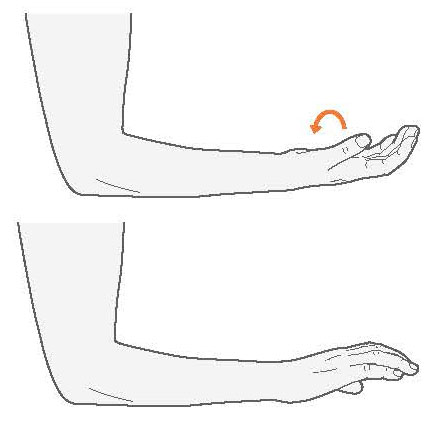
- Wrist Turns: Place your forearm on a table. Slowly flick your hand up and down to relieve wrist pain.
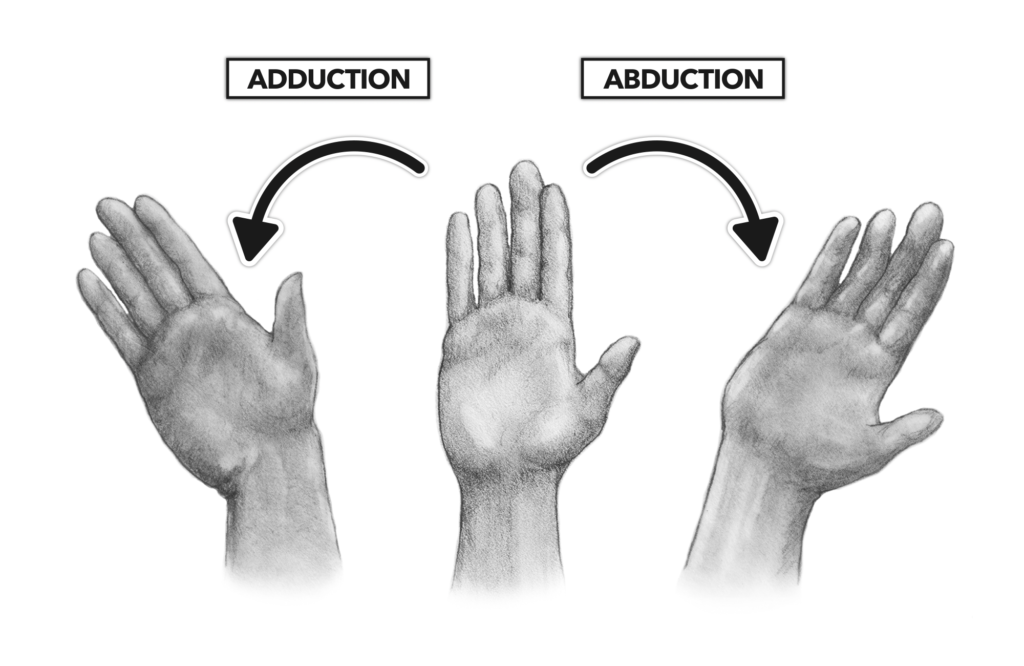
- Wrist Side to Side: Place your forearm on a table, palm down. Move your hand lightly left and right.
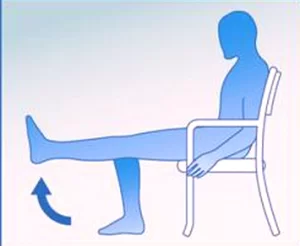
- Knee Straightener: Sit on a chair and stretch your leg, heel to the floor. Lean forward gently to experience a modest stretch.
Stretching Exercises
Stretching activities assist in enhancing flexibility and relieving stress in the affected tendon. Common stretches include:
- Calf Stretch: In order to ease tendon strain and extend the calf muscles, a calf stretch is recommended for Achilles tendinitis.
- Shoulder Stretch: When dealing with rotator cuff tendinitis, stretching the shoulder muscles can help relieve pain and increase range of motion.
- Wrist Flexor Stretch: For tennis or golfer’s elbow, stretching the forearm muscles will help relieve tendon strain.
Strengthening Exercises
Strengthening exercises that are necessary for restoring strength to the damaged tendon and surrounding muscles. Examples include:
- Eccentric Calf Rises: To strengthen the Achilles tendon, practice calf rises with a focus on the eccentric (lowering) phase.
- Resistance Band Exercises: When treating rotator cuff tendinitis, performing shoulder exercises with resistance bands will help improve strength.
- Wrist Curls: If you have tennis or golfer’s elbow, wrist curls with modest weights will help strengthen your forearm muscles.
Ergonomic and Activity Modifications
- Physiotherapists evaluate everyday activities and advise on optimal posture and technique to reduce strain on the tendon.
- Adjustments such as keyboard arrangement and desk height can have a major impact on office workers.
- When performing repetitive tasks, take regular pauses to stretch and relax your hands—ideally five minutes per hour. To change up your hand postures and lessen accumulated stress on certain tendons, switch up your duties whenever you can.
Benefits of Physiotherapy for Tendinitis
- Faster recovery and return to normal activities.
- Increased strength, flexibility, and functionality.
- Reduced risk of re-injury.
- A non-invasive alternative to drugs and surgery.
- Improves tendon load tolerance
Home Exercises
Home exercises are a crucial component of physical therapy. They help maintain progress between sessions and promote long-term recovery.
Examples of Effective Home Exercises
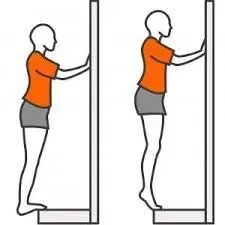
- Heel Drops: To strengthen the Achilles tendon, stand on a step and lower your heels below the step level.
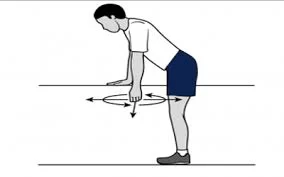
- Shoulder Pendulum: If you have rotator cuff tendinitis, gently swing your arm in a circular motion to enhance mobility.
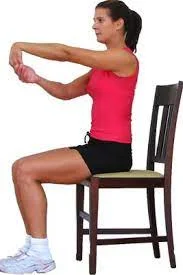
- Forearm Stretch: To treat tennis or golfer’s elbow, extend the arm and pull back on the fingers to stretch the forearm muscles.
How Long Does Tendinitis Take to Heal?
It may take two to three weeks for your tendon to recover following tendonitis therapy. If you have severe tendonitis, it may take many months to heal. Rest is the most effective strategy to speed up your healing process. Avoid intense movements or activities that may put stress on your mending tendon. Your healthcare physician will advise you when it is okay to resume your favorite sports and activities after your tendon has healed.
When Should You See a Doctor for Tendinitis?
If the pain persists after a few days, consult your doctor, who may recommend physical therapy to enhance the flexibility and strength of the affected tendon, as well as to adjust mechanics. A local cortisone shot (a corticosteroid injection) may also help relieve pain. If the symptoms persist, surgical intervention may be required.
You mustn’t ignore recurrent tendinitis, as recurrent tendinitis can result in tendon degeneration, also known as tendinosis. To effectively evaluate and manage how you feel, you also need to see an orthopedic or sports medicine expert. To avoid continued unresponsive symptoms, you may need surgical intervention from a competent orthopedist, especially if your weaker tendon is prone to ripping or rupture.
Prevention
Tendinitis is a frequent illness that is difficult to avoid. While avoiding overuse might minimize a person’s risk of developing tendinitis, this can be difficult if their job requires repeated movement.
However, people can reduce their chance of developing tendinitis by:
- warming up before exercising
- building up an activity’s intensity gradually
- engaging in sports regularly, rather than only on weekends
- using proper form when exercising
- ensuring shoes and gear fit appropriately
- stopping if a movement causes pain
- strengthening the surrounding muscles, which can reduce the strain on tendons
- avoiding repetitive activities where possible
- taking frequent breaks from repetitive activities
Conclusion
Tendinitis is a frequent overuse injury in which a tendon becomes inflamed. People who play sports or work in occupations that require repeated actions are more likely to get tendinitis.
Most people may manage the problem with rest and over-the-counter pain relievers. A doctor may recommend extra treatments and therapies to help in recovery.
FAQS
How does it feel to have tendinitis?
One of the most common symptoms of tendinitis is pain in the tendon and surrounding region. Pain might develop gradually or suddenly and severely, particularly if calcium deposits are present.
What causes the tendinitis to worsen?
There is a weakness in the muscle or one of its neighboring muscles, a high level of muscular tension, and a history of repeated activity under load. All of them have an effect on one another, and one will worsen the other.
Is walking beneficial for tendinitis?
Yes, walking is vital in your tendinopathy rehab and rehabilitation, but there are a few things to consider. Excessive walking might actually worsen symptoms.
What causes tendinitis?
Tendinitis is the inflammation or irritation of a tendon, which is commonly caused by persistent micro-tears from overuse, sudden acute strain, age, or underlying medical disorders like diabetes or arthritis.
Does tendinitis ever go away?
Yes, tendinitis resolves, but it rarely cures fully without active treatment such as rest, ice, and activity modifications. Mild instances often recover in 2 to 4 weeks; however, severe or chronic cases might take 3 to 6 months owing to reduced blood flow in tendons.
What should you not do if you have tendinitis?
With tendinitis, you should avoid repeated motions, pushing through pain, and unexpected increases in physical activity. To control inflammation properly, avoid particular physical behaviors and nutritional causes.
References:
- Hospital for Special Surgery. (2025, January 3). Tendonitis/tendinitis. https://www.hss.edu/health-library/conditions-and-treatments/list/tendonitis
- Brazier, Y. (2025, February 18). What to know about tendinitis. https://www.medicalnewstoday.com/articles/175596
- Tendonitis. (2026, April 27). Cleveland Clinic. https://my.clevelandclinic.org/health/diseases/10919-tendonitis
- Healthdirect Australia. (n.d.). Tendinitis. https://www.healthdirect.gov.au/tendinitis
- Kavesteen, D. (2026, May 13). How to Manage Tendonitis with Physical Therapy Guide. Heart and Health Medical. https://heartandhealth.com/how-to-manage-tendonitis-with-physical-therapy/



2 Comments