
Disease

Here We Update All Disease Like Hemiplegia,Cerebral Palsy, Cerebral Syndrome,OA Knee,Bachacke

  • Andropause

    What is a Andropause? Andropause, also known as late-onset hypogonadism, is a usual condition whose frequency rises with age. The presence of signs of testosterone deficiency, particularly sexual symptoms including loss of libido, morning urethral erection, and erectile dysfunction, as well as evidence of low testosterone levels, are used to diagnose late-onset hypogonadism. Although adequate…

  • | |

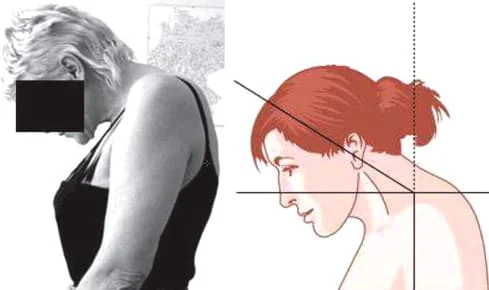
    Anterocollis (AC)

    What is a Anterocollis (AC)? Anterocollis (AC) is a medical term used to describe a specific type of dystonia characterized by involuntary forward flexion of the neck and head. When compared to anterocaput, anterocollis can be distinguished by the abnormal angle between the thoracic and cervical spines or between the skull base and vertebrum-1. There…

  • | |

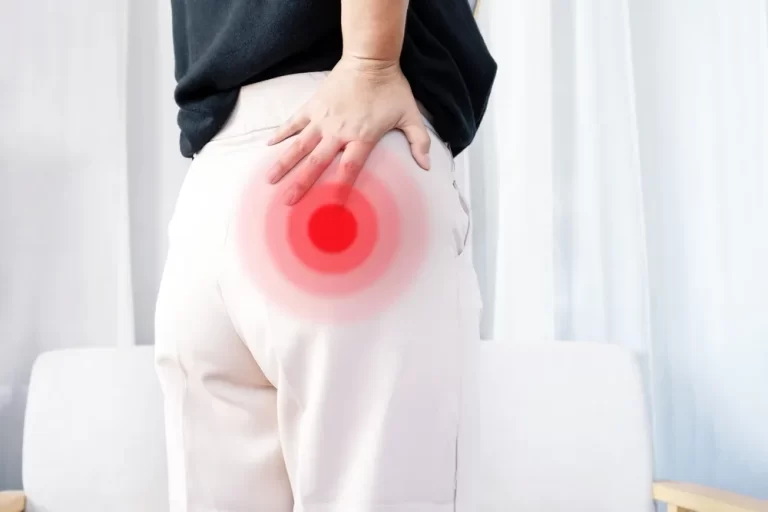
    Muscle Soreness in the Buttocks

    What is a Muscle Soreness in the Buttocks? Muscle soreness in the buttocks, often referred to as gluteal soreness, is a common discomfort experienced by many individuals. This condition can result from a variety of causes, including physical activity, injury, or underlying medical conditions. The buttocks, primarily composed of the gluteal muscles, play a crucial…

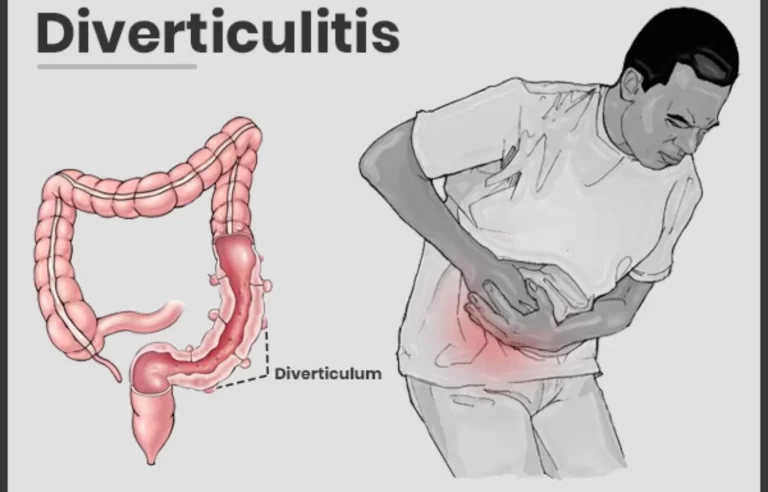
  • Diverticulitis

    Diverticulitis can induce digestive symptoms and abdominal pain. Some individuals may develop difficulties that require urgent medical maintenance. Although it was rare before the 20th century, diverticular illness is a very common health issue in the Western world. It is a collection of disorders that can have an impact on your digestive system. The most…

  • |

    Macrocephaly

    What is Macrocephaly? The term “macrocephaly” refers to an enlarged head size. If your infant has macrocephaly, it means their head circumference, measured around the widest part of their head, is significantly larger than that of other children of the same age and sex. Technically, their head circumference falls above the 97th percentile, indicating that…

  • |

    Spastic Diplegia

    Introduction Spastic diplegia, also known as spastic bilateral cerebral palsy, is a neurological condition that primarily affects motor function and muscle control in individuals. This condition is characterized by increased muscle tone, stiffness, and difficulty with coordinated movements, particularly in the legs. Spastic diplegia is caused by damage or abnormalities in the developing brain, typically…

  • | | | |

    Gluteal Strain

    What is Gluteal Strain? A Gluteal strain is a tear or stretching of one of the three muscles in the buttocks: the gluteus maximus, gluteus medius, or gluteus minimus. These muscles are responsible for extending the hip, abducting the hip, and rotating the hip. A gluteal strain can occur when these muscles are suddenly and…

  • |

    Swelling

    What is a Swelling? Swelling, often accompanied by pain, redness, and warmth, is a common physiological response to injury or inflammation in the human body. This natural reaction involves an increase in the fluid and immune cells within the affected tissue, leading to its expansion. Swelling can occur for various reasons, ranging from minor injuries…

  • Mastoiditis

    Introduction Mastoiditis is an inflammation of the mastoid air cells located in the temporal bone. The bone septations that make up the mastoid air cells are continuous with the middle ear cavity and are lined with epithelium. Children are more likely than adults to get middle ear infections, increasing their chance of acute mastoiditis. Acute…