Disease

Here We Update All Disease Like Hemiplegia,Cerebral Palsy, Cerebral Syndrome,OA Knee,Bachacke

  • Lipoma

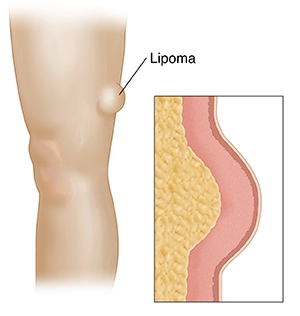
    What is Lipoma? A lipoma is a round or oval-shaped lump of tissue that grows solely under the skin. It’s made of fat, shifts easily when you touch it, and doesn’t generally generate pain. Lipomas can occur anywhere on the body, but they’re most familiar on the back, arms, trunk (torso), shoulders, and neck. Lipomas…

  • | |

    Diastematomyelia

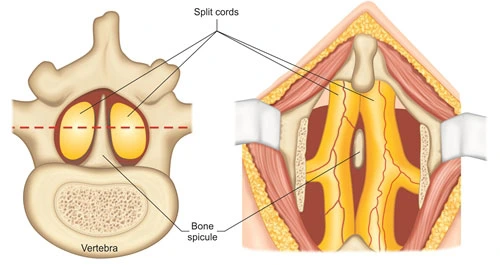
    What is Diastematomyelia? Diastematomyelia, also called a split cord malformation, leads to a variety of spinal dysraphism (spina bifida occulta) when there is a longitudinal separation in the spinal cord. Women are involved much more generally than men. This disease happens in the presence of a cartilaginous, osseous, or fibrous septum in the central part…

  • |

    Hypoxia

    What is Hypoxia? Hypoxia is when the tissues of your body don’t have adequate oxygen. When you breathe, you carry oxygen into your lungs, where it crosses via your airways out into small sacks known as alveoli. From there, it brings picked up by your blood in tiny vessels that cross close to the alveoli…

  • | |

    Rhombencephalosynapsis

    What is Rhombencephalosynapsis? Rhombencephalosynapsis is a midline brain malformation represented by an absent cerebellar vermis with an obvious fusion of the cerebellar hemispheres. Rhombencephalosynapsis can be seen in isolation or together with the different central nervous system and extra-central nervous system malformations. Gmez-Lpez-Hernndez syndrome combines rhombencephalon synapsis with parietal/temporal alopecia and occasionally trigeminal anesthesia, high…

  • |

    Chronic fatigue syndrome

    What is Chronic fatigue syndrome? Chronic fatigue syndrome(CFS) also called myalgic encephalomyelitis (ME) is a complicated disease. Chronic Fatigue Syndrome (CFS) is not the normal ups and downs feeling in daily life. The early sign of this disease is strong and observable fatigue that arrives suddenly and frequently comes and goes or never quits. It…

  • Bruxism (Teeth grinding)

    What is bruxism? Type of the bruxism Classification of bruxism by cause Classification of bruxism by severity Classification of bruxism by duration Signs and symptoms of the bruxism Pain Tooth wear Tooth mobility Causes of the teeth grinding Psychosocial factors Genetic factors Diagnosis of the bruxism Evaluation of the bruxism ICSD-R diagnostic criteria Treatment for…

  • Addison’s disease

    What is Addison’s disease? Addison’s disease is a chronic disease in which your adrenal glands don’t create sufficient of the hormones cortisol and aldosterone. Your adrenal glands also called suprarenal glands, are small, triangle-shaped glands that are situated on top of each of your two kidneys. They’re a component of your endocrine system. Cortisol is…

  • Scleroderma

    What is Scleroderma? Scleroderma is a chronic, autoimmune condition in which normal tissue is substituted with dense, thick fibrous tissue. Generally, the immune system helps to protect the body against illness and infection. In a person with scleroderma, the immune system activates further cells to create too much collagen (a protein). This additional collagen is…

  • Systemic Lupus Erythematosus

    What is Systemic Lupus Erythematosus? Systemic lupus erythematosus (SLE), is the most familiar type of lupus condition. SLE is an autoimmune condition in which the immune system attacks its tissues, generating widespread inflammation and tissue injury in the involved organs. It can involve the joints, brain, skin, kidneys, lungs, and blood vessels. There is no…

  • |

    Epilepsy

    What is Epilepsy? Epilepsy is a long-term brain disease where a patient has repeated seizures. It is considered to involve approximately 3 people in every 100 patients with seizures. Having only one seizure is not considered to be epilepsy almost half the patients who have one seizure never have another seizure. Epilepsy is not one…