Disease

Here We Update All Disease Like Hemiplegia,Cerebral Palsy, Cerebral Syndrome,OA Knee,Bachacke

  • Drowning

    Introduction of the drowning Classification of the drowning Near drowning Dry drowning Freshwater drowning Salt water drowning Secondary drowning Mammalian Dive Reflex Causes of the drowning Risk factors for drowning Free-Diving other risk factors for the drowning Pathophysiology of the drowning Drowning is divided into four stages: Oxygen deprivation water aspiration Cold-water immersion Prevalence of…

  • |

    Obesity

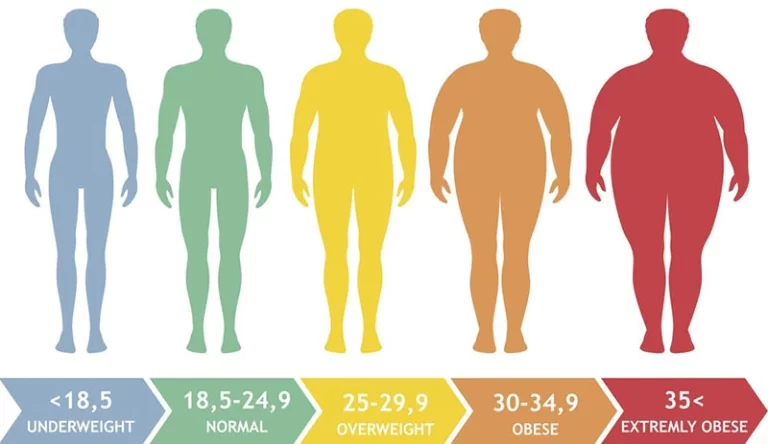
    What is Obesity? Obesity is a complex, chronic condition with several reasons that conduct to extreme body fat and occasionally, poor health. Body fat itself is not a condition, of course. But when your body has too greatly excess fat, it can alter the method of its functions. These changes are progressive, can aggravate over…

  • | |

    Myasthenia Gravis

    What is Myasthenia Gravis? Myasthenia gravis (MG) is an autoimmune condition, which means that the body’s immune system incorrectly attacks its parts. MG interrupts the communication between nerves and muscles (the neuromuscular junction). Myasthenia gravis (MG) patients are unable to actively control their muscles. They experience varying degrees of fatigue and muscular weakness. The muscles…

  • High cholesterol

    Overview Cholesterol is a waxy substance. it is found in the blood. the body requires cholesterol to build healthy cells, but high levels of cholesterol can raise the risk of heart disease or Brain Disease. With high cholesterol, individuals can develop fatty deposits in their blood vessels. Ultimately, these deposits grow, making it difficult for…

  • |

    Hypercapnia

    What is Hypercapnea? Hypercapnia (from the Greek word hyper means too much and kapos means smoke), also called hypercarbia (CO2 retention) is a disease of abnormally increased levels of carbon dioxide (CO2) in the blood. Carbon dioxide is a gaseous outcome of the body’s metabolism and is generally expelled via the lungs. Carbon dioxide may…

  • Proteus syndrome

    What is Proteus syndrome? Proteus syndrome is a rare genetic disease that causes extreme growth of your skin, bones, organs, and/or tissues. The condition causes parts of your body to expand out of proportion with the rest of it. The overgrowth is generally asymmetrical, suggesting it involves the right and left sides of your body…

  • Cancer

    What is Cancer? Cancer is a wide term. It defines the condition that results when cellular changes generate the uncontrolled growth and separation of cells. Some varieties of cancer cause rapid cell growth, while further causing cells to grow and separate at a slower rate. Specific forms of cancer result in observable growths known as…

  • Cowden syndrome

    What is Cowden syndrome? Cowden syndrome is an irregular, autosomal dominant, inherited disease in which noncancerous growths also called hamartomas on different parts of the body, involving the thyroid, breast, brain, uterus, and mucocutaneous tissues with an increased risk of malignancies. It is also called multiple hamartoma syndrome. Other conditions that are related to the…

  • |

    Rett Syndrome

    What is Rett syndrome? Rett syndrome is a genetic neurological and developmental disorder that affects to depends on the way the brain develops. Rett syndrome is mainly affected mainly females and rare cases affected males. In most cases, babies with Rett syndrome are seen to develop expected for the first six months of the born….