Deadlift
Introduction
The lower back, glutes, hamstrings, and core are all strengthened by the potent compound exercise known as a deadlift. By teaching the body to safely raise items from the ground, they aid in the improvement of general strength, posture, and functional mobility.
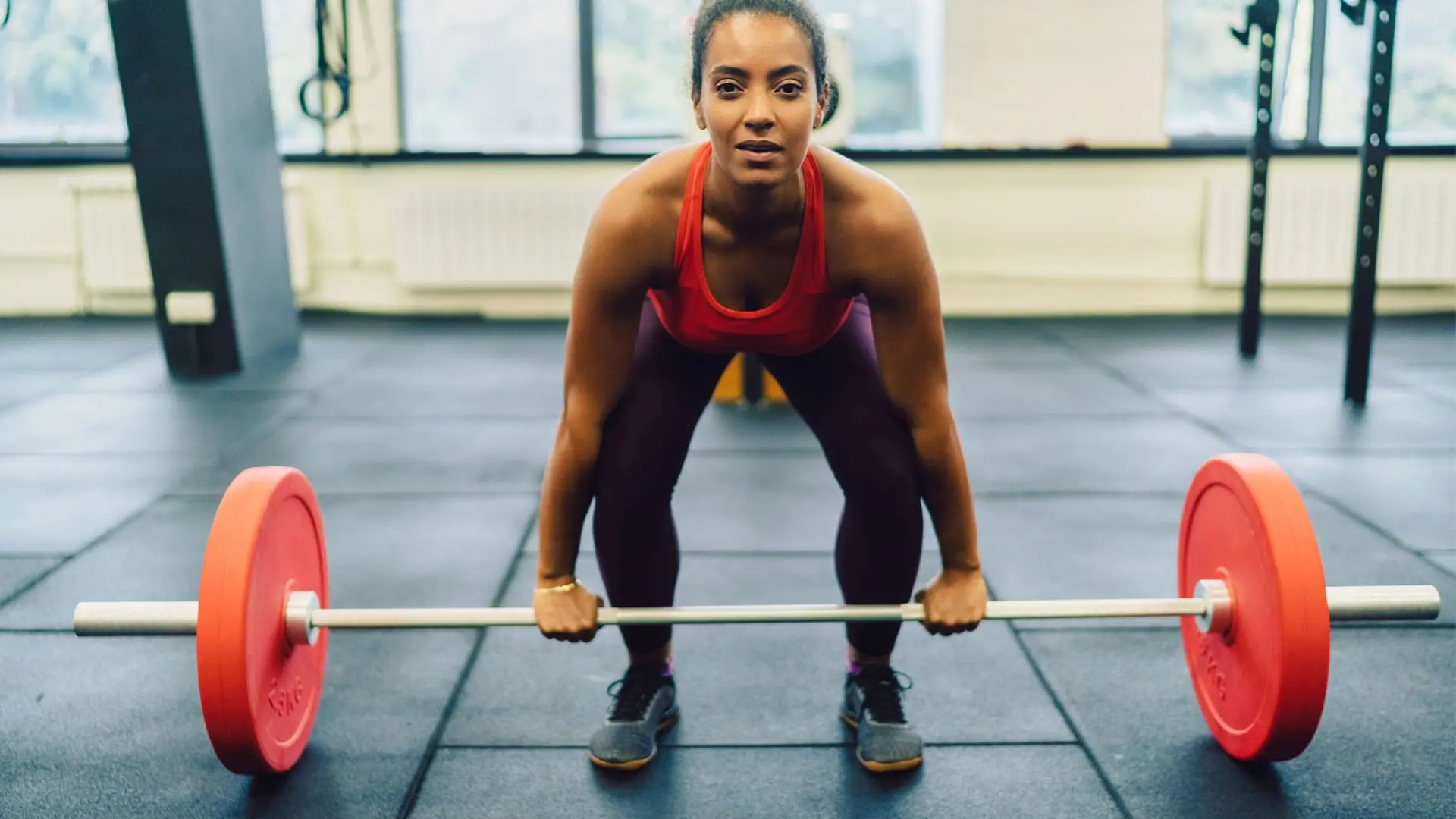
The deadlift may be used to build strong legs and buttocks. When doing a deadlift, your leg and hip muscles, together with most of your body’s major muscle groups, work together to raise the weight from the floor to your thighs. The deadlift is usually performed with a stationary barbell or a bar and plates; dumbbells can be used as well. This powerlifter’s specialization should not be overlooked when training for overall fitness. Include deadlifts in your strength-training regimens to improve your physical and functional fitness.
Since the beginning of human history, the capacity to lift an item off the ground has been a fundamental movement. You bend down to pick up a dropped object. You will ultimately have to kneel and pick up things like grocery bags, boxes, and your children.
The fundamental components of the deadlift, as well as several other daily activities, are a squat and a hip hinge, which are required simply to sit on a chair. Your own and other people’s quality of life will increase if you become proficient in these motions.
Muscle Work During Deadlifts:
- Quadriceps Muscle
- Glutes Muscle
- Adductor Magnus Muscle
- Hamstrings Muscle
- Spinal Erector Muscles
- Latissimus Dorsi Muscle
- Trapezius Muscle
- Rhomboids Muscle
- Obliques and Abdominal Muscles
Benefits:
Activate the hip extensors:
Deadlifts are one of the finest workouts for developing your hip extensors. The gluteus maximus and hamstring complex are two hip extensor muscles that are frequently addressed in fitness regimens due to their functional usage and cosmetic attractiveness when appropriately trained.
When doing deadlifts, the gluteus maximus and hamstrings are activated, resulting in improved muscular strength and growth.
Improve jump performance:
For many recreational and athletic interests, jumping is an essential talent, and the growth of your lower body power is frequently reflected in your ability to jump.
Furthermore, the enhanced power demonstrated by the capacity to jump translates to other maximum power exercises such as running.
According to research, deadlifts are one of the best strength-training exercises for boosting maximum jump performance.
Improve bone mineral density:
Loss of bone mineral density is a typical side effect of aging and a serious health concern for older persons.
Advanced bone mineral density loss causes osteoporosis, which significantly raises the risk of fractures in older persons. Fractures can set off a chain reaction of long-term physical health issues caused by a lack of movement. Weight-bearing workouts that provide external resistance to the entire body are essential for increasing bone mineral density.
The region of increasing bone density is proportional to the area of the body being exercised. Specifically, the area of the muscles that operate to produce the given exercise will have the greatest improvement in bone mineral density.
Deadlifts, which target your legs and hips, can be used in conjunction with other resistance workouts to decrease or reverse age-related bone mineral density loss.
Enhances Functional Fitness:
The deadlift is a great approach to improve functional fitness as it simulates everyday lifting. If you can deadlift with good technique, you will be able to lift and carry items more safely in everyday life.
Increases Metabolism:
Your metabolism determines how many calories you burn at rest. Lean muscle accelerates your metabolism. Gaining more lean muscle might help to speed up your metabolism. Deadlifts are a fantastic way to increase the amount of lean muscle in your body since they target some of the largest muscle groups.
How to perform a Deadlift?
Choose two dumbbells or a lightweight barbell.
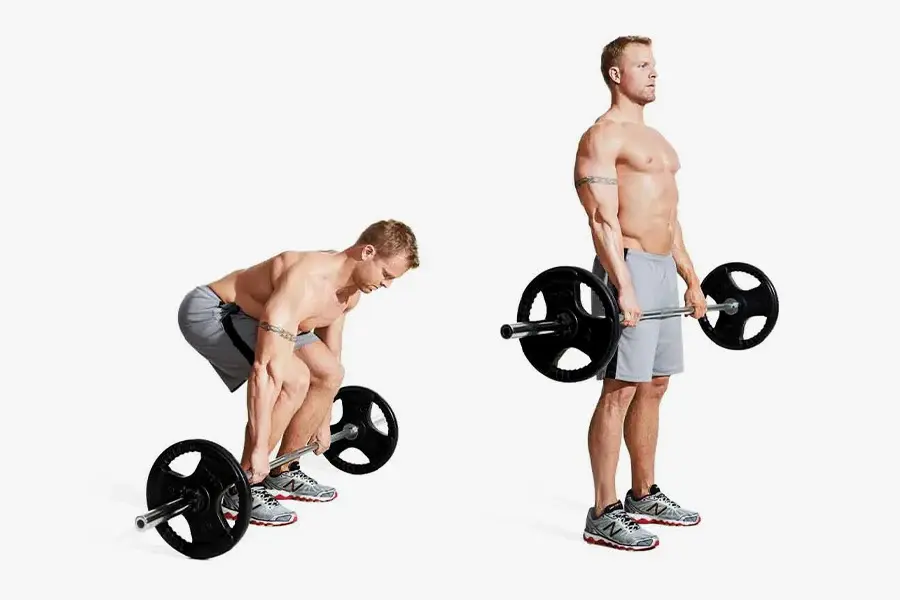
- Use an overhand or mixed grip to keep the bar slightly beyond the line of your knees.
- Place your toes beneath the bar and your feet shoulder-width apart, or slightly wider. Your feet may point straight ahead or with a little inclination. On the surface, heels should stay flat. When you lift and lower the bar, it will travel closer to your shins, maybe touching against them. Maintain a neutral spinal posture.
- Reduce the weight as gradually as possible while keeping your back flat, knees relaxed, and proper form.
- To lift the bar, push forward with your legs starting from your knees. Exhale after you’ve exhausted yourself. Be careful not to lift the hips first, as this will lead the back to round out and the trunk to slip forward. Avoid attempting to elevate the bar with your arms. As the legs push up, the arms remain tense and stretched, hanging onto the bar. Consider the hips, the balance point, moving upward together with the shoulders and legs.
- When you achieve your maximum height, the bar should be about your thighs and slightly touching your shins. Pull your shoulders back as far as possible without bending your back.
- Keep your back straight as you drop the bar in reverse towards the floor.
- Continue until you have completed the appropriate number of repetitions.
Variations:
Dumbbell Dead-lifts:
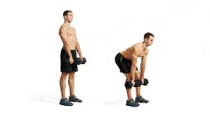
If you don’t have access to a barbell or if the bar’s weight is too challenging, try a kettlebell or vertical dumbbell deadlift with a reduced weight. Use both hands to hold the item, then hinge it at the hips to raise it, much like you would with a barbell. As an alternative, exercise sandbags may be used for a variety of full-body exercises, including deadlifts.
Romanian Deadlifts:
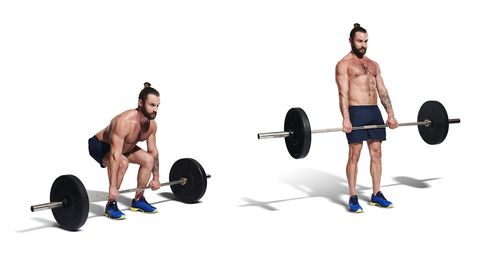
The main difference between Romanian deadlifts and conventional deadlifts is that Romanian deadlifts start the exercise from a standing posture instead of a squat. This variation works the posterior chain muscles, which cover the muscles that run down the back of your body, such as the glutes, calves, and hamstrings. To more closely mimic real-life situations involving the lifting and moving of heavy objects, you may also execute the Romanian deadlift with shifted feet.
Elevated Deadlifts:
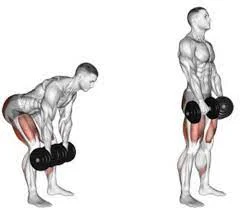
The user can assume whatever position they like, although the bar starts higher thanks to a rack. The height of the bar may be adjusted to the person’s preferences. This allows the person to focus on strengthening their weak regions, lifting heavier weights, or mimicking a similar action.
Stiff-Leg Deadlifts:
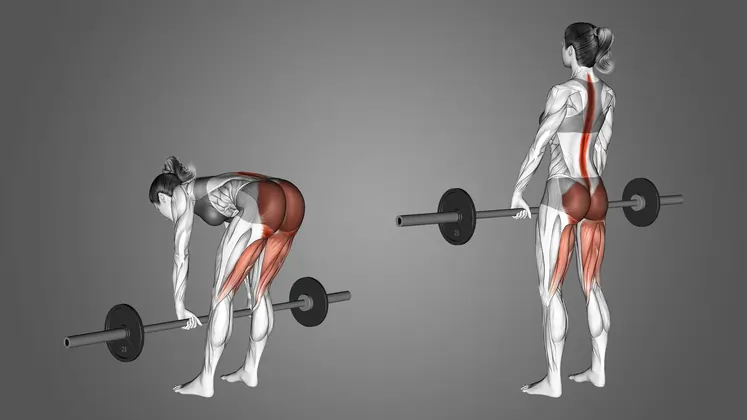
This kind of deadlift requires you to stand the entire time with your legs tight and your knees almost locked. Keep the bar close to your body and keep your spine neutral as you bend forward and stand back up. The stiff leg deadlift works the hamstrings and gluteus maximus more than standard or Romanian deadlifts.
Suitcase Deadlifts:
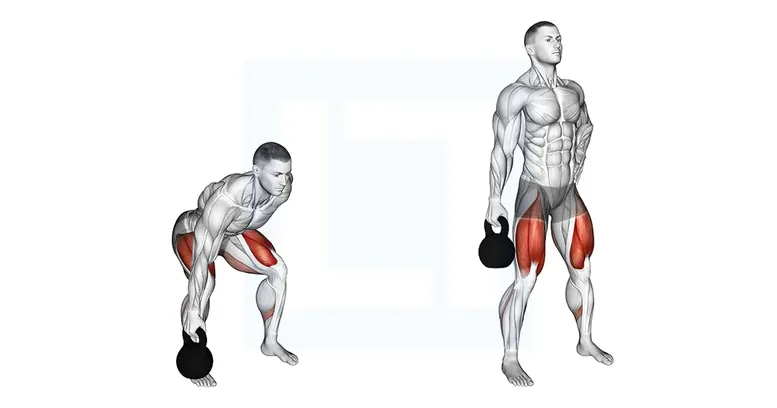
This version involves lifting a weight on one side of the body at a time with just one hand. Think about the movement required to lift bags. It’s a terrific approach to develop your core since you engage those muscles to prevent your body from slanting to the side with the weight. This exercise requires bending as though to squat, similar to a standard deadlift, rather than keeping legs straight.
Sumo Deadlifts:
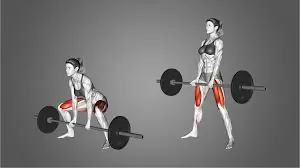
They take a wider position with their arms inside their thighs. The trunk maintains a more upright posture when the hips are used instead of the back. Sumo deadlifts are a great method to target different muscle groups and vary up your workouts.
Other Variations:
Bars:
Changing the type of bar utilized can give variety. The strains and demands are altered by stiff bars, hex bars, or bars with a larger diameter.
- Stiff bar: The most common kind of barbell is used in the majority of squatting lifts and bench presses. The stiff bar encourages the activation of the hamstring and erector spinae muscle groups by increasing the mechanical stress at the hip and low back during the appropriate concentric and eccentric phases of the lift.
- Hex bar: A hex barbell is a specially designed barbell in which the lifter stands inside a hexagon-shaped barbell to reduce the horizontal distance between the lifter and the weight being lifted. When the hexagonal bar increases the mechanical moment at the knee and lowers the moment from the hips and lumbar spinae, the quadriceps muscle group is more stimulated. focusing more specifically on the Vastus Lateralis.
- Fat bar: When the bar’s diameter is increased, or fat bar attachments are added, the forearm and hand muscles have to work harder to finish the lift. Electromyography showed that the fat grip attachments enhanced shoulder and forearm muscle activation during a 1RM of a standard deadlift.
Resistance:
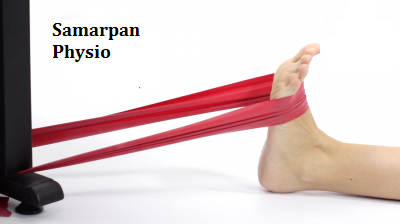
Resistance bands and chains can be used to enhance or reduce resistance throughout the deadlift’s range of action. Using different types of resistance can improve the ability to adapt the deadlift action for diverse populations. Dumbbells, kettlebells, and resistance bands are used to help people with certain limitations imitate the deadlift motion.
Grips:
- Double Overhand Grip: With your palms facing your body, wrap both hands around the bar.
- Opposing Grip: Similar to a double overhand hold, one hand is wrapped around you with the palm facing you, while the other is wrapped oppositely with the palm facing away from you. It is generally believed that this grip is more comfortable for lifters. However, when the arm is supinated, additional strain is placed on the biceps, increasing the risk of a distal biceps rupture.
Speed:
The speed of the lift may be changed. Increasing the velocity increases the lifter’s ability to generate greater power through that movement. Strength and force production may be increased by training with a decelerated lift, which prolongs the time the muscles are under strain.
Precautions:
- To determine whether it is appropriate for you, speak with a healthcare provider if you have any injuries affecting your legs, knees, ankles, hips, back, shoulders, or wrists.
- For the correct procedure, make sure you receive the appropriate instructions.
- Light weights are a good place to start, and if you feel unpleasant, stop.
- Pregnant women are advised to utilize lighter weights, and you may wish to switch to the wider sumo stance. Women might consider wearing a high-neck sports bra for extra support.
Common Mistakes:
Deadlifts offer many benefits, but it’s important to do them properly. Because a deadlift injury might keep you from working out while you recover, it is not worth taking any chances. Avoid these blunders to get the most out of this workout and lower your chance of strain or injury.
- Rounding Your Shoulders or Back: Avoid curving your spine or shoulders, and keep your back upright. You should be hanging from your hip. Butt out and keep your hips down. Contracting your core will help you keep your back straight.
- Using Your Back or Arms to Lift: Although the arms, shoulders, and back are important for stability, beginners should lift using their legs and hips. Maintain a straight arm posture during the deadlift. Bending your arms puts tension on your biceps.
- Excessive Weight Use: Begin with lighter weights and work your way up to good form. A personal trainer or gym member can review your form to ensure it is correct. If necessary, practice in front of a mirror. As your fitness improves, you can add weight, but do it gradually to prevent overworking your muscles. Wearing suitable footwear, such as these best CrossFit shoes, is essential for any weightlifting session.
- Partial Lifts: You may do repetitions with a light weight by lowering the bar to your shin or even the floor and then straightening it again without releasing the grip of the bar. This is not a true deadlift repeat. It is advisable to practice a full lift, then descend to the floor and restart from a standing posture.
- The bar is too far from the body: When executing deadlifts, some people position the weight too far away from their body. For best lift efficiency and safety, the bar should travel close to the body. When raising and lowering, it is okay to skim the front of your legs.
FAQs
What is the purpose of deadlifting?
Deadlifts increase total-body strength, muscle (particularly glutes, hamstrings, back, and core), and functional fitness by simulating lifting objects, while also improving posture, bone density, grip strength, and metabolism, as well as boosting key hormones such as testosterone and growth hormone, making them excellent for overall health and injury prevention.
Is deadlifting better than squatting?
If you want to improve your glutes, hamstrings, and back, the deadlift should be your first priority. Yes, the squat uses these same muscle groups, but the deadlift emphasizes the posterior chain more than the squat.
Can you gain abs by deadlifting?
More core muscles are used during squats and deadlifts than during sit-ups. These workouts work your complete core, not just your abs, improving your strength and stability.
What limitations may deadlifts have?
Overly heavy lifting: deadlifting puts a lot of strain on the lower back and hips. An imbalance in the distribution of stress between these locations can result from poor technique caused by carrying too much weight. This frequently increases the load at the lumbar spine and raises the risk of injury.
Do deadlifts carry a significant risk?
When done correctly, deadlifting is safe and a vital part of any strengthening program, whether it’s for elite powerlifting, general strength training, or sports performance. Like any workout, there is a chance of injury, so we should be mindful of that.
Who shouldn’t perform deadlifts?
The deadlift, a full-body, high-intensity exercise, can overstress your lower back, resulting in a fracture or slipped disc. It is best to avoid less strenuous activity when coping with certain health issues in order to prevent pain from getting worse.
What are some frequent deadlifting mistakes?
Dropping Hips Too Low. Too early hip shoot-up. The back-in extension must be set. Neglecting to lower the bar.
References:
- Rogers, P. (2024, June 4). Deadlifts: proper form, variations, and common mistakes. Verywell Fit. https://www.verywellfit.com/how-to-do-the-deadlift-3498608
- How to Deadlift | Deadlift Variations & Workouts. (n.d.). PureGym. https://www.puregym.com/exercises/legs/hamstring-exercises/deadlifts/
- Cpt, T. R. B. (2023, July 13). 8 Benefits of deadlifts you probably never knew about. Healthline. https://www.healthline.com/health/fitness/deadlift-benefits#benefits