
Exercises for Sarcopenia
What is Sarcopenia?
The progressive loss of muscle mass, strength, and physical performance that occurs with aging is known as sarcopenia. It has an impact on your musculoskeletal system and can eventually make daily activities more difficult, such as getting out of a chair or climbing stairs. Your risk of falls, fractures, and loss of independence increases as your muscles weaken.
The term “sarcopenia” (pronounced “sar-ko-PEE-nee-uh”) refers to the impact of muscle loss on strength and function. One or more essential characteristics are typically used by experts to define it:
- Low muscle mass
- Low muscle strength
- Low physical performance
Sarcopenia can sometimes coexist with a higher body mass index (BMI). Compared to obesity or sarcopenia alone, this combination, known as sarcopenic obesity, can increase your risk of complications.
Symptoms
- Loss of stamina
- Difficulty performing daily activities
- Walking slowly
- Trouble climbing stairs
- Poor balance and falls
- Decrease in muscle size
Why does sarcopenia develop?
Literally, sarcopenia means “lack of flesh.” People 50 years of age and older are more likely to have this age-associated muscle degeneration condition.
While aging is the most common cause of sarcopenia, other causes are directly related to the management and treatment of sarcopenia.
These additional reasons and potential remedies consist of:
- physical activity levels
- food choices
- inflammation or stress on the body
Exercises To Prevent & Reverse Sarcopaenia
Frequency: Perform the following exercises three to four times per week, with at least one day off between each session.
Warm-Up: Start with a 5-minute warm-up of brisk walking or similar to get the blood flowing, heart rate gently increasing, and muscles ready for exercise.
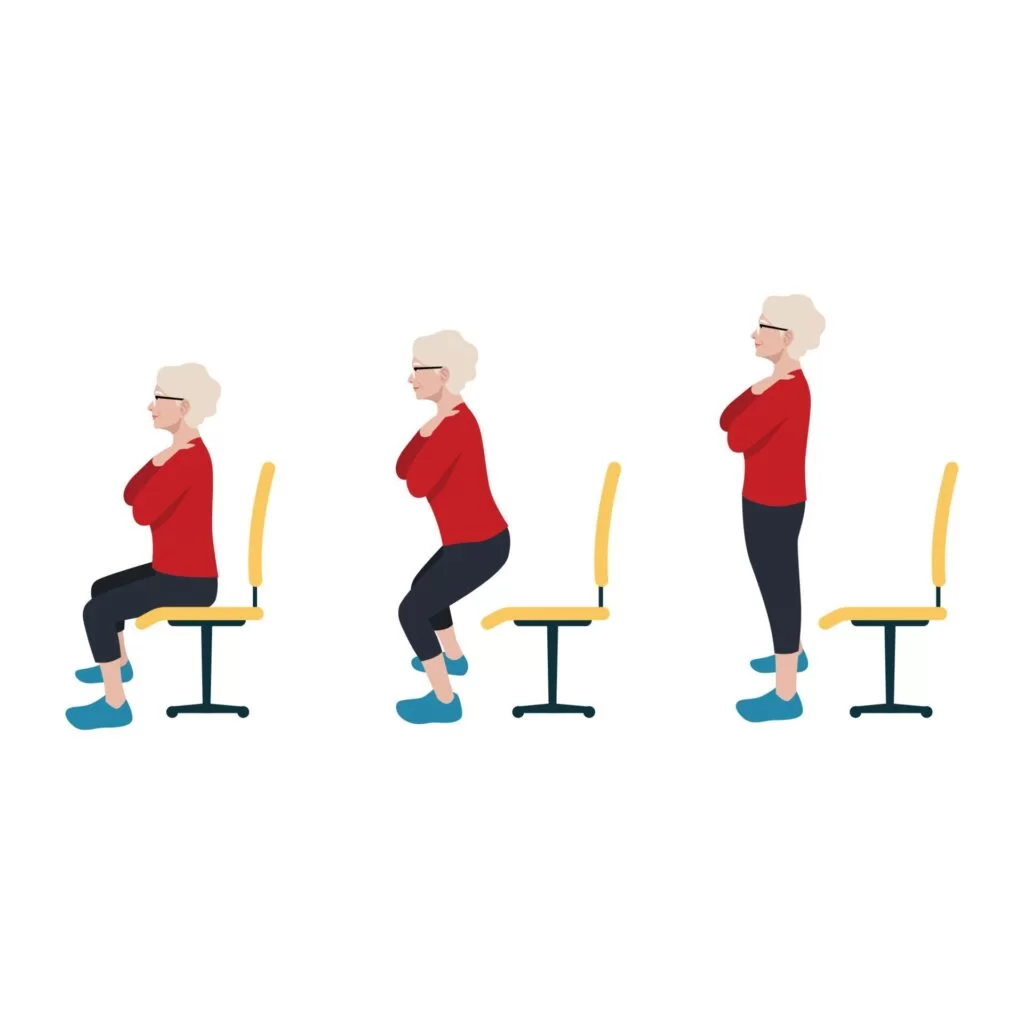
Sit to Stand Squats
Target Muscles: Quadriceps, Hamstrings, Glutes
Guidelines:
- With your feet flat on the ground and hip-width apart, take a seat on the edge of a sturdy chair.
- For balance, extend your arms in front of you or cross them over your chest.
- To stand up, slightly bend forward from your hips, and push through your heels.
- Return to your seat slowly and gently.
- Do ten to fifteen repetitions.
- Modifications: If you need extra support, use a chair with armrests.
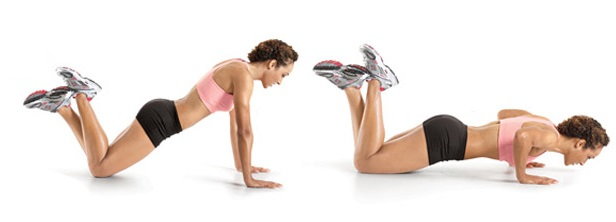
Push-Ups (Modified)
Target Muscles: Chest, Shoulders, Triceps
Guidelines:
- Place your hands slightly wider than shoulder-width apart to begin in a plank position. Put your knees on the floor for a modified version.
- Bend your elbows to lower your body toward the floor while maintaining a straight posture from your head to your knees or toes.
- To get back to the starting position, push through your palms.
- Modifications: For a simpler version, perform against a wall or with your hands raised on a bench.
Dumbbell Rows
Target Muscles: Upper Back, Biceps
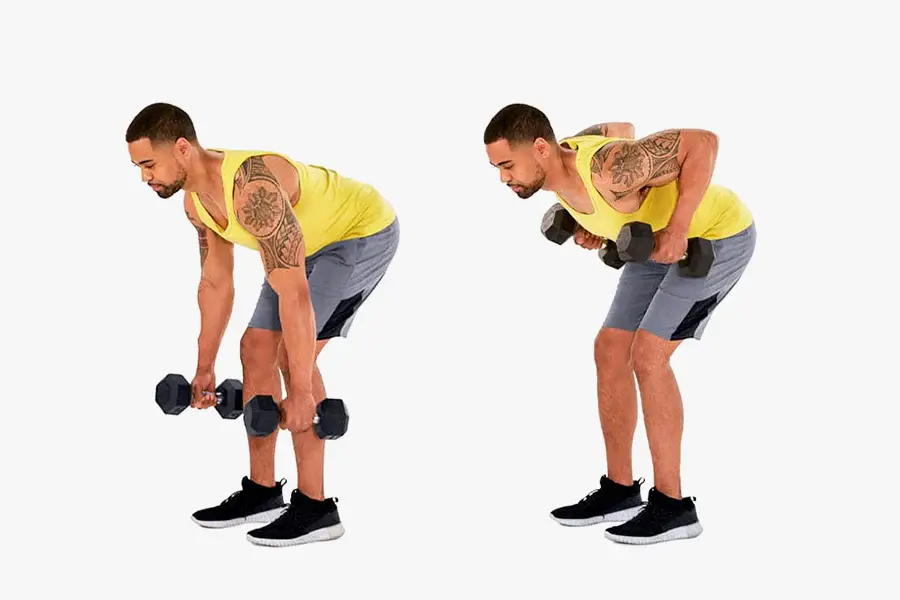
Guidelines:
- Holding a dumbbell in each hand with the palms facing the body, stand with your feet hip-width apart.
- Maintaining a straight back and a strong core, slightly bend at the hips.
- Squeeze your shoulder blades together as you pull the dumbbells toward your hips.
- Return the dumbbells to their initial position gradually.
- Do two to three sets of ten to fifteen repetitions.
- Modifications: Perform the exercise while seated with a resistance band or with lighter weights.
Standing Calf Raises
Target Muscles: Calves
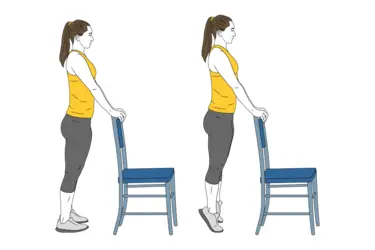
Guidelines:
- Place your feet hip-width apart and, if necessary, use a chair or wall for balance.
- Feel your calves contract as you slowly raise your heels as high off the ground as you can.
- After a brief moment of holding, carefully return your heels to the floor.
- Do two to three sets of twelve to fifteen repetitions.
- Modifications: For an extra challenge, perform with one leg at a time.
Resistance Band Seated Row
Target Muscles: Upper Back (Rhomboids, Trapezius), Biceps, Rear Shoulders
Why is this exercise important? One of the first symptoms of sarcopenia is upper back weakness, which directly causes bad posture, rounded shoulders, and diminished breathing ability in older adults. People with hip, knee, or ankle pain can use this seated version because it completely eliminates the need for balance.
A resistance band with light to medium resistance is what you’ll need. It works well to loop it around a fixed point at about chest height, such as a door handle, a heavy chair leg, or a stair post.
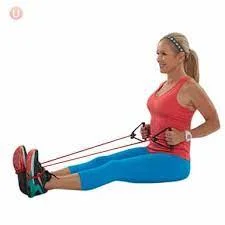
Guidelines:
- Take a sturdy chair and sit upright with your feet flat on the floor and hip-width apart.
- With palms facing one another, hold one end of the resistance band in each hand.
- To begin, extend your arms forward and gently tense the band.
- At the conclusion of the exercise, squeeze your shoulder blades together and pull both hands back towards your sides, leading with your elbows.
- After two seconds of holding the squeeze, slowly extend your arms back to the beginning.
- Do two to three sets of ten to twelve repetitions, resting for sixty seconds in between.
- Modifications: If your shoulders hurt, use a lighter band or limit your range of motion. Move up to a medium or heavy resistance band as your strength increases.
Step-Ups
Target Muscles: Quadriceps, Glutes, Hamstrings, Hip Flexors
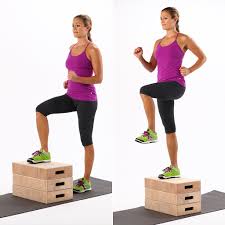
Guidelines:
- For balance, place one hand lightly on a wall or rail and face the step with your feet together.
- Step up with your right foot, keeping the entire foot flat on the step.
- To raise your body and bring your left foot up to meet your right on the step, drive through your right heel.
- Take a slow, deliberate step back down using your left foot first.
- With every repetition, switch up the leading leg.
- Do two to three sets of eight to ten repetitions on each leg, resting for sixty seconds in between.
- Modifications: Start at the bottom of a staircase or a lower step. Increase the step height or take off the supporting hand as your strength and confidence grow.
Wall Press (Supported Chest Press)
Target Muscles: Chest (Pectorals), Shoulders (Anterior Deltoids), Triceps
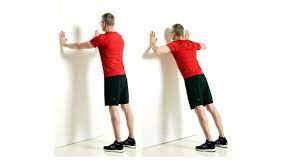
Guidelines:
- Place your feet shoulder-width apart and face a wall about an arm’s length away.
- Lay both palms flat on the wall, shoulder-width apart and at shoulder height.
- Lower your chest toward the wall by bending your elbows while maintaining a straight body from head to heels.
- To get back to the starting position, fully extend your arms without locking your elbows by pushing firmly through your palms.
- Inhale while descending and exhale as you push away.
- Complete two to three sets of ten to fifteen repetitions, resting for sixty seconds in between.
- Modifications: To make it more difficult, move farther away from the wall and raise your body’s angle. Over time, you can get closer to a full floor press-up position by moving from a kitchen worktop to a low bench.
Benefits of Exercise in Sarcopenia
- Improves Muscle Mass and Strength
- Enhances Bone Health
- Improves Balance and Reduces Fall Risk
- Boosts Metabolism and Overall Health
- Enhances Mental Well-being
- Improves Functional Independence
- Slows Progression of Sarcopenia
Common Mistakes To Avoid
- Skipping Warm-Up and Cool-Down
- Using Too Much or Too Little Resistance
- Poor Exercise Technique
- Overtraining Without Adequate Rest
- Ignoring Balance and Functional Training
- Holding Breath During Exercise
- Ignoring Pain or Medical Conditions
- Neglecting Nutrition and Hydration
- Inconsistency in Exercise Routine
Conclusion
Sarcopenia, the age-related loss of muscle mass and strength, can significantly impact mobility, independence, and overall quality of life. However, the right exercise approach can make a powerful difference. A well-rounded program that includes resistance training, balance exercises, flexibility work, and light aerobic activity helps slow muscle loss, improve strength, and enhance daily functioning.
Consistency is key—regular, properly performed exercises are far more effective than occasional intense workouts. Starting slowly, focusing on correct form, and gradually increasing intensity can help prevent injuries while building confidence and strength. Incorporating simple movements like squats, walking, resistance band exercises, and balance drills into a daily routine can lead to noticeable improvements over time.
Ultimately, exercise is one of the most effective and accessible strategies to manage sarcopenia. With dedication and the right guidance, individuals can maintain muscle health, stay active, and enjoy a more independent and fulfilling life as they age.
FAQs
What destroys sarcopenia?
Generally speaking, the best way to maintain optimal muscle health is to increase your intake of protein, vitamin D, and physical activity. They are high in fruits, vegetables, and high-quality protein and low in fat.
What are sarcopenia’s initial symptoms?
Weakness, a tendency to fall, difficulty walking, a slowing gait, reduced endurance for activities, and limb thinning are all signs of sarcopenia. Evaluations of muscle mass, strength, and intensity are typically used to make the diagnosis.
How can someone with sarcopenia gain muscle?
As you age, resistance training and light lifting can help you gain strength and maintain more muscle, reducing the amount of fat that can build up and enhancing your general health.
References:
- Sarcopenia. (2026, April 2). Cleveland Clinic. https://my.clevelandclinic.org/health/diseases/23167-sarcopenia
- The Healthline Editorial Team. (2025, April 14). How to Manage and Treat Muscle Loss from Sarcopenia Due to Aging. Healthline. https://www.healthline.com/nutrition/sarcopenia#takeaway
- Berkman, S. (2026, February 27). Sarcopenia- Exercises to prevent and reverse. Boost Physio. https://boostphysio.com/sarcopenia-exercises-to-prevent-and-reverse/