Best Sleeping Positions For Back Pain
Introduction
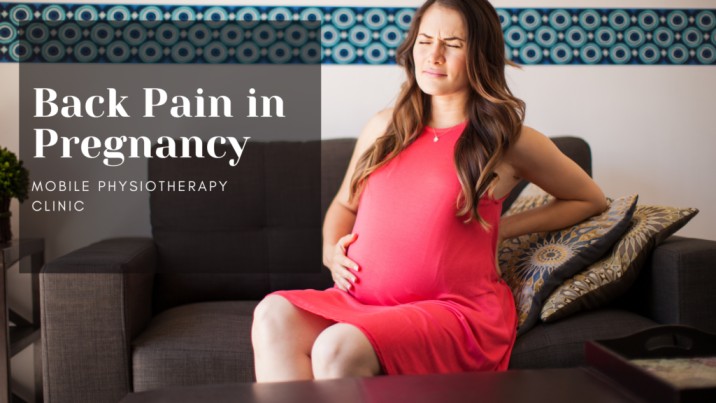
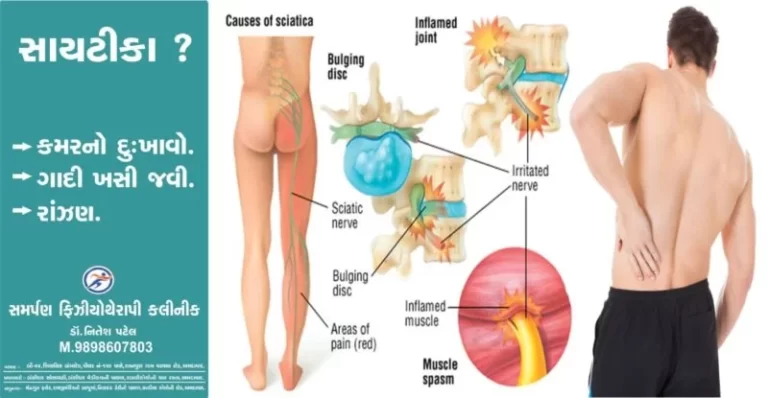
Knowing that back pain might lead to serious health issues is concerning. Stress or strain from poor body posture is the main cause of back pain. Uncomfortable sleeping postures and other lifestyle choices may also contribute to it. Health can be adversely affected by changes in sleeping habits or patterns. The sciatic nerve, which travels from the lower back down one or both legs, is where pain originates. Sharp pain, radiating pain, and lower back pain are possible symptoms.
You should be aware that a poor sleeping position may be the cause of your lower back pain. Poor sleeping position might result in chronic pain that lasts a long time. Furthermore, studies suggest that insufficient or disturbed sleep may worsen back pain. Lack of sleep can increase pain sensitivity. Sleep specialists report that one can lessen lower back pain issues by adopting a good sleeping position.
Why Sleeping Position Matters
Your spine is bent by nature. Your muscles, ligaments, discs, and joints are strained when you sleep in a posture that doesn’t accommodate this curvature. This tension may eventually lead to or worsen back pain. By distributing your body weight evenly and preserving spinal alignment, a good sleeping posture helps you avoid discomfort and stiffness.
Best Sleeping Positions for Back Pain
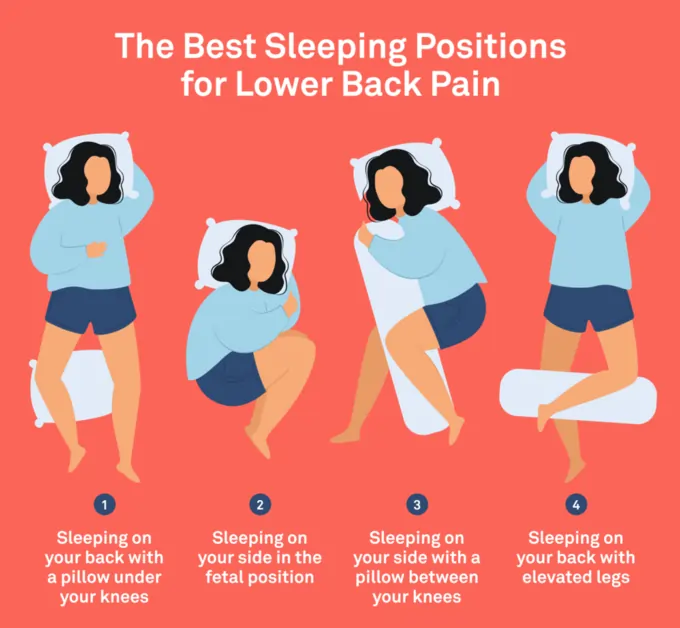
Lying on your back with a pillow placed under your knees
- Many people feel that resting on your back is the best posture for preserving spinal health and curvature. It helps maintain the alignment of your spine and distributes your weight evenly over your back.
- Put a cushion beneath your knees to increase comfort. Your lower back will be less stressed as a result of the small elevation of your legs.
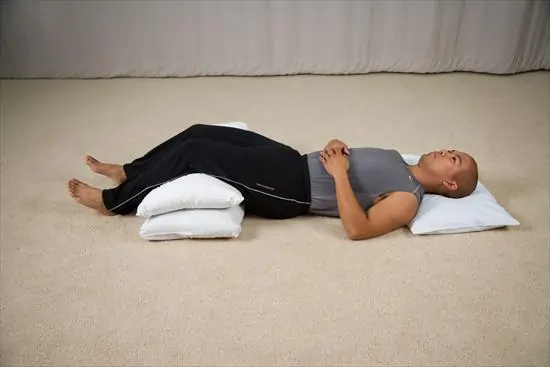
Best for: Lower back pain
Benefits:
- Maintains your spine’s natural curvature
- Keeps the lower back structures from being compressed.
- Lessens strain on muscles and joints
Tip: To keep your neck in a balanced position—not too high or too low—use a cushion and a supportive mattress.
Sleeping in the Fetal Position
- Curling up on your side in a fetal posture with your knees drawn toward your chest will widen the space between your vertebrae. Particularly for people with a herniated or protruding disc, this can release pressure on the spinal discs.
- After sleeping on your back, slowly turn over onto your side.
- Gently curl your body close to your knees after placing your knees against your chest.
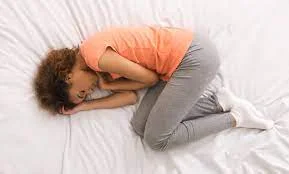
Best for: Lumbar Spondylosis or Lumbar Spondylolisthesis
Benefits:
- Minimizes the spine’s bending
- Relieves the strain on the spinal discs
- Enhances breathing for certain people
Tip: To avoid imbalances and lessen the load on one side of the body, switch sides periodically.
Sleep on your side, with a cushion between your legs.
- Although side sleeping is a common posture, if your upper leg twists and strains your spine, it can result in spinal misalignment.
- You may lessen the tension by aligning your hips, pelvis, and spine using a firm cushion between your knees.

Best for: Sciatica, general lower back pain
Benefits:
- Maintains the correct position of the spine
- Lessens strain on the lower back and hips
- Promotes healthy blood flow
Tip: Select a mattress that will support your body’s curves, particularly those around your hips and shoulders.
Sleeping on Your Stomach with a Pillow Under the Abdomen
- Because it might strain your neck and flatten the natural curvature of your spine, sleeping on your stomach is typically discouraged.
- If this is your only sleeping position, you can relieve the tension on your lower back by placing a small cushion beneath your pelvis or abdomen.
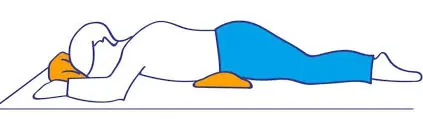
Best for: People who are unable to sleep any other way
Benefits:
- Lowers pressure when disc pain is present.
- Some people with a degenerative disc condition could find it better.
Tip: To keep your neck aligned, sleep without or with a very flat pillow.
Reclined Sleeping Position
Some people with persistent back pain find comfort by sleeping in a reclined position. This position relieves strain on the spine and increases the angle between the thighs and the body.
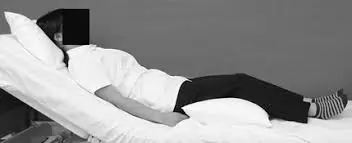
Best for: Isthmic spondylolisthesis, lumbar spinal stenosis
Benefits:
- Reduces tension on the spine
- May be suitable for those who find lying flat painful
- Promotes spinal comfort with certain conditions
Tip: Consider getting an adjustable bed or utilizing a wedge cushion to raise your upper body somewhat.
Tips to Improve Sleep Quality with Back Pain
- Choose the Right Mattress
- A medium-firm mattress is typically recommended for back problems, but tastes differ. Your mattress should support your spine’s natural curvature without sagging.
- Use the Right Pillow
- Your neck and spine should remain in alignment. Side sleepers require a thicker pillow than back sleepers.
- Follow a sleep schedule
- Maintain a consistent sleep routine by going to bed and getting up at the same times every day. This helps to adjust your biological clock.
Conclusion
Back pain does not have to prevent you from getting a decent night’s sleep. You may minimize discomfort and enhance your sleep quality by selecting the best sleeping position, correctly supporting your body, and establishing a sleep-friendly atmosphere.
Whether you sleep on your back with a cushion under your knees or on your side with support between your legs, spinal alignment and pressure reduction are essential. Experiment to determine what works best for your body, and don’t be afraid to seek medical attention if the discomfort persists.
FAQs
Which posture is the worst for your back?
Sleeping on your stomach is the worst posture for your spine.
Which sleeping posture is best for L4-L5?
The Best Positions for Sleeping with Lumbar Nerve Root Compression…Reducing intradiscal pressure and preserving the natural curvature of your spine are the goals of the ideal sleeping postures for L4–L5 lumbar problems. The objective is to maintain neutral alignment of your hips, pelvis, and spine while avoiding twisting your lower back.
Lower back pain is associated with which organ?
The kidneys, bladder, colon, appendix, liver, gallbladder, and pancreas are among the organs that might result in pain in the lower back. Lower back pain in men can be caused by the prostate; in women, the uterus or ovaries may be the source.
References:
- Hospital, I. (2025, April 30). Best sleep positions for back pain Relief | IBS Hospitals. IBS Hospital. https://www.ibshospitals.com/blog/best-sleep-positions-for-back-pain-relief
- Hospital, C. (n.d.). Best Sleeping Positions for People with Back Pain. Citizens Specialty Hospital. https://www.citizenshospitals.com/blogs/best-sleeping-positions-for-people-with-back-pain
- Hospitals, M., & Hospitals, M. (2025, April 7). 5 best sleeping positions for lower back pain. Manipal Hospitals. https://www.manipalhospitals.com/saltlake/blog/best-sleeping-positions-for-lower-back-pain/
- James, B. (n.d.). Best sleeping positions for lower back pain. The Sleep Company. https://thesleepcompany.in/blogs/sleep-tips/best-sleeping-positions-for-lower-back-pain?