
Medial Collateral Ligament
medial collateral ligament
medial collateral ligament
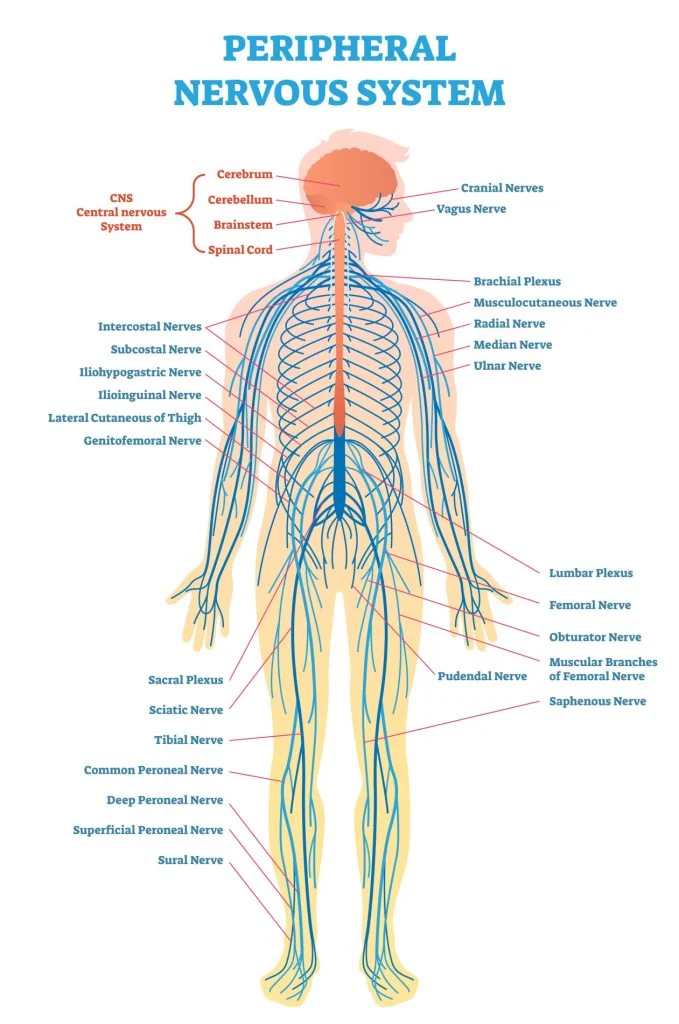
What Is the Peripheral Nervous System? The peripheral nervous system (PNS) is a vital part of the nervous system, responsible for connecting the central nervous system (CNS) to the rest of the body. It comprises a network of nerves and ganglia that relay information between the brain and spinal cord and the sensory organs, muscles,…

What is the Limited Range of Motion? A Limited Range of Motion (ROM) refers to a restriction or reduction in the movement of a joint or body part. It means that the joint is not able to move through its normal or expected range of motion, either due to stiffness, tightness, pain, injury, or other underlying conditions….
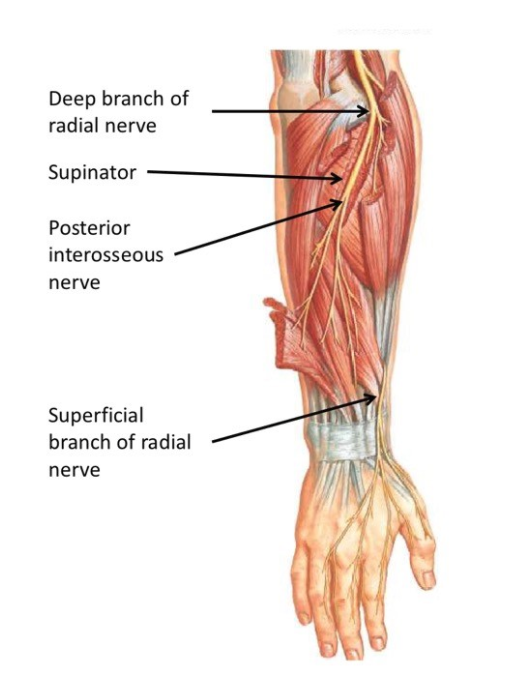
Deep Branch of Radial Nerve Anatomy Origin and Course At the cubital fossa, the radial nerve splits into a superficial (sensory) and deep (motor) branch. The deep branch of the radial nerve extends downhill between the superficial and deep layers of muscles to the center of the forearm after winding around the lateral side of…
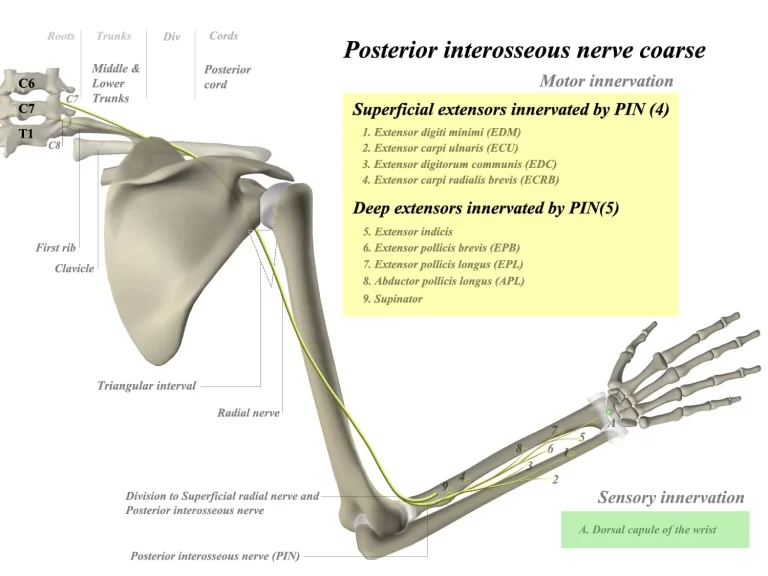
The posterior interosseous nerve (PIN) is a branch of the radial nerve, a major nerve in the upper limb. It is an important nerve that supplies several muscles in the forearm, playing a crucial role in hand and wrist movements. After crossing the supinator muscle, it is the deep branch of the radial nerve that…
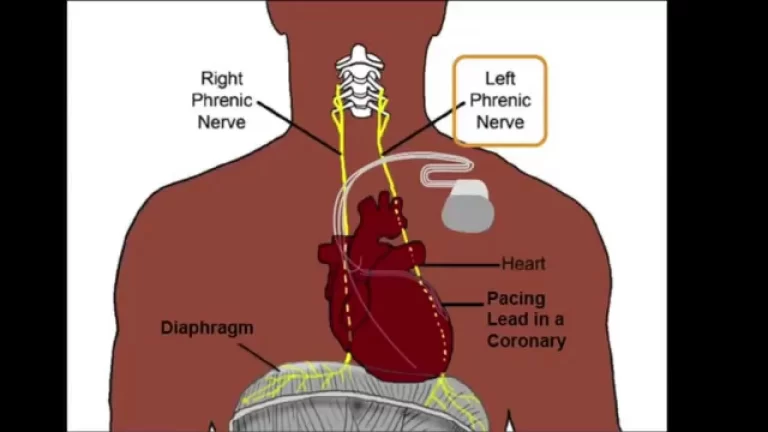
Introduction The phrenic nerve plays a key part in breathing or respiration. It creates your diaphragm to contract and expand, providing your lungs capacity to inhale and exhale air. Nerve damage can create a paralyzed diaphragm. You may feel short of breath and carry problems sleeping. An irritated phrenic nerve can create persistent hiccups. The…
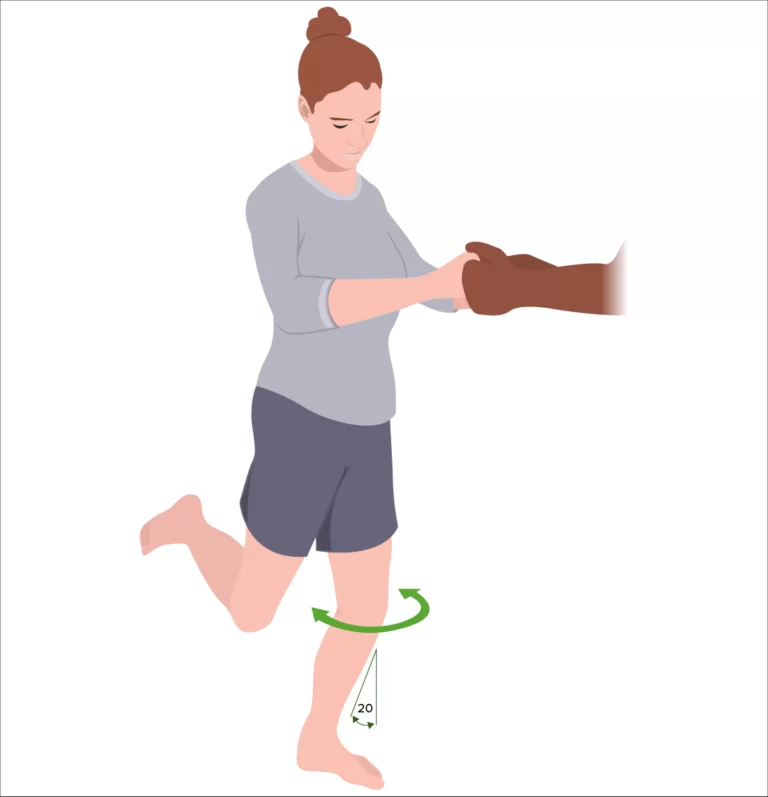
What is a Thessaly test? The Thessaly test is a valuable clinical screening tool used in the field of orthopedics to assess for meniscal tears or lesions in the knee joint. Meniscal tears are common knee injuries that can cause significant discomfort and functional impairment for affected individuals. Patients with suspected meniscal tears often report…

Why Lower Back Flexibility is Important? Improving lower back flexibility is crucial for enhancing overall mobility, relieving tension, and reducing the risk of back injuries. By incorporating stretching exercises, yoga, and pilates into your routine, you can target the muscles in the lower back and increase their flexibility. Additionally, strengthening exercises and foam rolling can…
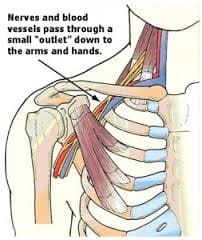
What is a Costoclavicular Syndrome? Costoclavicular Syndrome, also known as Thoracic Outlet Syndrome (TOS), is a medical condition characterized by the compression of nerves, blood vessels, or both in the thoracic outlet. The thoracic outlet refers to the space between the clavicle (collarbone) and the first rib, through which important structures such as nerves and…

Introduction Pancuronium bromide is a synthetic, non-depolarizing neuromuscular blocking agent used in medical settings to induce muscle relaxation and paralysis during certain procedures. It belongs to the class of drugs known as neuromuscular blockers or muscle relaxants. The drug is administered intravenously and acts by blocking the transmission of nerve impulses at the neuromuscular junction,…