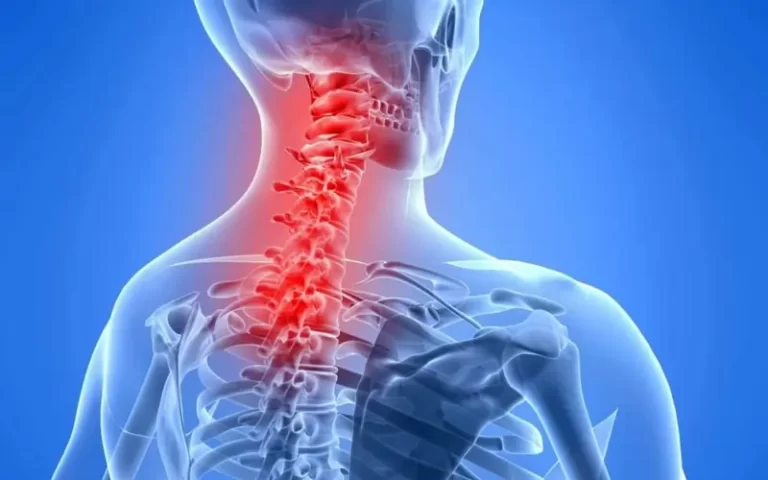

Cervical Sprain
Introduction
One of the most common injuries in small or moderate automobile accidents is a whiplash-induced cervical sprain. where the cervical spine suddenly moves from a position of cervical hyperextension to one of cervical hyperflexion. The muscles, ligaments, and occasionally the cervical spine’s bones and nerves are stretched and compressed by this mechanism of injury.
Neck stiffness, exhaustion, and limited range of motion are the main symptoms of cervical sprain, strain, and tension, which is primarily associated with acute pain from soft tissue damage involving muscles, tendons, and ligaments. Persistent neck discomfort may rank second only to persistent lower back pain in relation to injury and disability claims in traffic accidents, workplaces, and homes.
According to population-based studies, the incidence of acute neck pain is 20–30% each year, at least 80% of the population experiences neck discomfort of indefinite length at some point, and roughly 10% of the population reports experiencing neck pain for at least seven days per month. These numbers are from several nations; there is little evidence that neck pain is less prevalent in Asia.
Anatomy
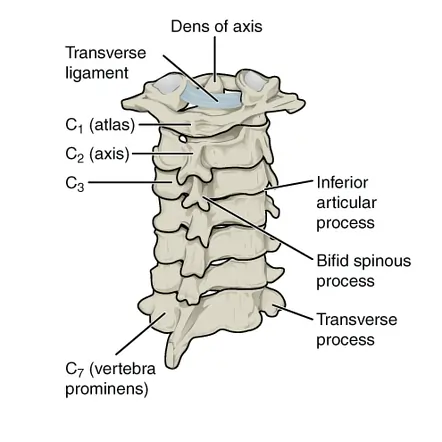
The seven stacked bones that make up your cervical spine, or neck region, are known as vertebrae. Your cervical spine’s first two vertebrae have a particular shape and purpose. The atlas, or first vertebra (C1), is a ring-shaped bone that starts at the base of your skull. It is named for the Greek mythological figure Atlas, who carried the entire universe. The atlas keeps your head up. The atlas can pivot against your second vertebra (C2), also known as the axis, to enable the side-to-side “no” rotation of your head.
Your neck may move forward, backward, and twist thanks to a type of joint called a facet joint, which connects your seven cervical vertebrae (C1 through C7) at the back of the bone.
In addition, there are muscles, nerves, tendons, and ligaments all around your cervical spine. In the middle of your entire spine is your spinal cord. Your spinal cord sends and receives messages from your brain, which controls all elements of your body’s operations.
Types or degrees of cervical sprain
- A type 1 cervical sprain is a minor sprain that results from a small straining of the neck’s soft tissues and bones without endangering the joint’s structural stability.
- A type 2 cervical sprain occurs when the tissues flex somewhat, causing partial rips but no total separation.
- A significant stretching of the tissues that results in their rupture and separation is known as a type 3 cervical sprain. This is the most severe kind, with possibly long-lasting symptoms and a recovery time of many months.
Symptoms
- Neck pain that worsens with movement.
- Muscle contracture.
- Neck Stiffness
- Limited range of motion in the neck.
- Headache, usually originating at the base of the skull.
- Pain or tenderness in the back, shoulders, and arms.
- Tingling or numbness in the arms.
- Fatigue.
- Dizziness or vertigo.
- Blurred vision or ringing in the ears may also occur.
Causes
A sharp and abrupt rear impact causes cervical sprains. There are three stages to the damage mechanism:
- The body is forced forward relative to the head and neck by the rear impact.
- Hyperextension results from the neck moving backward due to inertia.
- When the displacement ends, the neck is forced forward into hyperflexion by inertia.
- This injury frequently comes on from a rear-end collision with significant force. In contact sports like football or rugby, where falls or direct contact happen, it is also common. It may also be the consequence of physical violence.
Risk Factors
- Age: More common in teenagers and young adults.
- Sex: More frequent in women.
- History of neck pain or injury.
- Driving at high speeds.
Complications
Although cervical sprains rarely result in consequences, occasionally the injury may not heal completely, leaving the patient with stiffness and pain for months or even years. Furthermore, the impact that caused the sprain may have negative consequences, like:
- Cerebral Contusion: Head injuries sustained in an accident can impact brain function, resulting in symptoms like headaches, disorientation, unconsciousness, trouble focusing, and changes in memory or behavior.
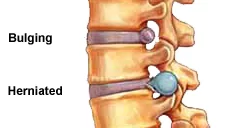
- A cervical disc herniation occurs when an intervertebral disc shifts as a result of an impact, compressing a nerve root or the spinal cord. Permanent motor or sensory problems may arise from this disorder; if the spinal cord injury is severe, it may potentially cause tetraplegia or paraplegia.
Diagnosis
- Medical history: Your doctor will inquire about any prior neck trauma that might have resulted in a herniated disk or whiplash. They might inquire about your job or other neck-straining activities. They will inquire about the nature of your pain, including its duration, location, intensity, and time of onset.
- Physical examination: When you move your neck, your healthcare professional will measure your range of motion and evaluate the alignment of your head and neck. To feel for soreness or indications of tension, they will touch your neck and the muscles that support it.
- X-rays: These can reveal difficulties with your soft tissues or bones that could be the source of your neck pain. An X-ray can identify arthritis and reveal problems with neck alignment, fractures, and moving disks.
- Magnetic resonance imaging (MRI): An MRI can reveal issues with your soft tissues, bone marrow, spinal cord, and nerves. It can reveal whether a disk has moved, infection symptoms, and lumps like tumors or cysts that could be the source of neck pain.
- Computed tomography (CT) scan: In the event that an MRI is unavailable, a CT scan may be utilized. Signs of bone degeneration and bone spurs may be visible.
- Electrodiagnostic tests: These examine how your muscles react and how well your nerves are functioning. If an MRI is not appropriate, tests include nerve conduction investigations and, in rare cases, a myelogram.
Treatment
Depending on the extent of the injury, the healing period for a cervical sprain usually lasts anywhere from a few weeks to three months.
Medications
- Non-steroidal anti-inflammatory medicines (NSAIDs) are medications used to lessen pain and inflammation.
- Muscle relaxers, by causing muscles to relax, muscle relaxants help muscles repair and avoid spasms.
- Injections of an anesthetic for extreme pain.
Rest
- Rest is necessary to prevent overdoing it and to help the affected muscles relax. Since extended periods of inactivity can slow recuperation, rest shouldn’t last longer than two days.
Transcutaneous electrical nerve stimulation (TENS) unit
- A modest electrical current is applied through your skin to surface nerve endings as part of a therapy called transcutaneous electrical nerve stimulation, or TENS for short. Pain in your nerves can be eased by applying a small amount of external electrical current, as your nerves communicate through electrical signals. White noise can help you filter out other sounds as you sleep, and utilizing a TENS machine to reduce the pain is similar to that.
Applying cold and heat
- Reduce swelling and inflammation over the first seven to ten days by applying cold packs. The repair of damaged tissues can then be helped by improving blood flow to the affected area by the use of mild warmth and heating.
Soft collar
- To help support the head and reduce strain on the ligaments so they have time to recover, you might need to wear a soft collar around your neck.
Physical therapy
Goals
- PHASE I – Pain Relief & Protection
- PHASE II – Restoring Normal ROM, Strength
- PHASE III – Restoring Full Function
- PHASE IV – Preventing Neck Pain Recurrence
Manual Therapy
- Massage, joint mobilization, and mild stretching are examples of hands-on methods that assist in reducing muscular tension, increasing circulation, and aiding in the healing of injured tissues.
Modalities
- By lowering pain and inflammation, therapeutic techniques like electrical stimulation, ultrasound, heat therapy, and cold therapy can speed up the healing process.
Postural Education
- Preventing frequent neck sprains requires educating people about good posture and ergonomics. Our physiotherapists offer advice on how to keep proper posture when engaging in daily activities such as driving, working, and playing sports.
Activity Modification
- In certain situations, it could be essential to adjust activities that worsen neck strain or pain in order to promote proper recovery. Our physiotherapists provide guidance on how to reduce neck strain by altering activities and making ergonomic changes.
Exercises
- Weakened muscles can be strengthened, posture can be improved, and flexibility can be restored with specific exercises that target the neck and surrounding structures.
Range of Motion Exercises
Neck rotation
- Look over your shoulder while slowly turning your neck to the left.
- For 20 to 30 seconds, maintain this posture.
- Act on the other side.
- Repeat 2–4 times on each side.
- To make the rotation deeper, gently squeeze your chin.
Side bends
- Place your arms by your sides as you begin to stand or sit.
- Draw your shoulder blades back and down and contract your abdominal muscles to maintain a straight spine.
- Maintaining your shoulders in the same position, slowly bend your neck to move your right ear toward your right shoulder.
- Hold for five to ten seconds.
- Use your left side to perform.
- Perform two to four reps on each side.
Neck flexion
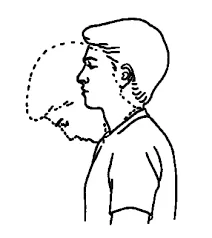
- To stabilize your spine, place your arms next to your body and contract your core muscles.
- Pull the shoulder blades down and back.
- Bring your chin slowly up to your chest.
- For 15 to 30 seconds, hold.
- Perform two to four repetitions.
Neck extensions
- Start by sitting down.
- Lean your neck back slowly and look up at the ceiling.
- Hold this posture for five to ten seconds.
- Perform five repetitions.
Strengthening Exercises
Chin tucks
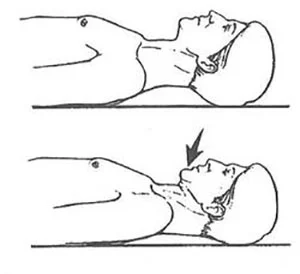
This exercise stretches the scalene and suboccipital muscles and strengthens the upper thoracic extensors, which pull the head back into alignment over the shoulders.
- Rest on your back.
- As far down and backward as you can, pull your chin.
- Release after holding it for 1–5 seconds.
- Ten times over, repeat.
Isometric holds
- Put your hand on your forehead. Use the muscles in your neck to resist. Hold for ten seconds. Calm down. Five times, repeat.
- Apply pressure to the side of your head and repeat the exercise. Five times, repeat. Change sides.
- Apply pressure on the back of your head and repeat the practice. Five times, repeat.
Scapular retractions
- Keep your arms by your sides and start by sitting or standing erect.
- Next, maintain an open and raised chest while pulling your shoulder blades down and together toward your spine.
- Take a few seconds to hold this position, then let go and do it again several times.
Head lift: neck curl
- Rest on your back. Your knees should be bent.
- Put your feet flat. Keep your shoulders on the ground and tuck your chin into your chest.
- Hold for five seconds. Do this ten times.
Head lift: neck side bend
- With your right arm extended straight out, lie on your right side.
- Place your head on your arm at first, then raise it toward your left shoulder.
- Hold for five seconds. Do this ten times.
- On your left side, repeat the stretch.
Neck extension while on your hands and knees
- With your head relaxed and your eyes fixed on the ground, take a seat on your hands and knees.
- Lower your head softly to your chest while maintaining a straight back.
- Raise your head until your neck and back are level, then tuck your chin. Hold for five seconds.
- Do this ten times.
Stretching
Scalene stretch
Your rib-attaching neck muscles are stretched by the scalene stretch.
- Keep your hands clasped behind your back while sitting upright.
- You should bow your head to the right and lower your left shoulder. After 15 to 30 seconds of holding, let go and return to your starting position.
- Do the opposite. On both sides, perform this stretch three times.
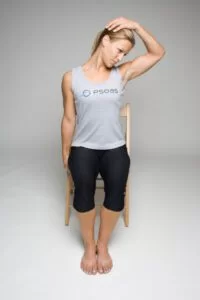
Trapezius stretch
- Tilt your right ear toward your right shoulder slowly and comfortably.
- In that case, slowly bring your head back toward the center until you are able to lower your left shoulder again.
- Your right hand should be raised over your head and placed on your left cheekbone. But don’t pull on your head just yet. To add a bit more pressure, simply put your hand there. This stretches your upper trapezius very gently.
- Take a deep breath and remain seated for at least thirty seconds.
- Ease your left ear toward your left shoulder after gently releasing this side. As you complete the stretch, take a deep breath through the opposite side.
Levator scapula stretch
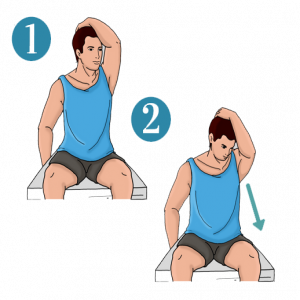
- To begin, take a seat comfortably with your shoulders relaxed.
- Tuck your chin into your chest and tilt your head 45 degrees to one side so that it appears as though you are looking at your underarm.
- Pull your head down a little with the arm of the side you’re facing.
- The back of your neck should feel stretched.
- Maintain this posture for ten seconds.
- On the other side, repeat.
Prevention
- Drive carefully, frequently checking rearview mirrors.
- Always wear seat belts in the vehicle.
- The car headrest should be properly adjusted so that its centre is at ear level and in line with the top of the head.
- Adjust the seatback correctly: keep it completely vertical with the back fully supported.
- Tense the body before a possible collision.
- Use protective gear when playing contact sports.
- Strengthen neck muscles: To increase stability and support, include neck and upper back exercises in your regular exercise regimen.
Conclusion
- A cervical sprain usually has a good prognosis, with most patients recovering completely in a few weeks. However, to guarantee appropriate recovery and avoid any consequences, it’s critical to adhere to the treatment plan prescribed by a medical practitioner.
- A cervical sprain, in summary, is a common but potentially dangerous injury that has to be treated right away. People can take preventive and recovery measures by being aware of the causes, symptoms, and available treatment.
FAQs
What is the average duration of a cervical sprain?
In four to six weeks, the majority of neck sprain or strain symptoms will disappear. Severe injuries, however, could require more time to fully recover. If you have a neck injury while competing in sports, you might not be able to resume your activities until your doctor has given the all-clear and your symptoms have subsided.
Can dizziness result from a neck sprain?
Your neck, or cervical spine, is crucial for balance and coordination. Therefore, you may experience lightheadedness, dizziness, and unsteadiness if this part of your spine is injured, arthritic, or inflamed.
References
- Grade_I_Cervical_Sprain, physio pedia ,https://www.physio-pedia.com/Grade_I_Cervical_Sprain
- Cervical sprain | Quirónsalud. (n.d.). Quirónsalud. https://www.quironsalud.com/en/diseases-symptoms/cervical-sprain
- Professional, C. C. M. (2025, September 4). Cervical spine. Cleveland Clinic. https://my.clevelandclinic.org/health/articles/22278-cervical-spine
- Neck sprains and Strains – OrthoInfo – AAOS. (n.d.). https://orthoinfo.aaos.org/en/diseases–conditions/neck-sprain/
- Pt, G. M. (2017, May 16). Neck strengthening exercises. Spine-health. https://www.spine-health.com/conditions/neck-pain/neck-strengthening-exercises
- Thornton, R. (2024, April 21). Neck sprains: understanding, treatment and prevention — Technique Health and Fitness. Technique Health and Fitness. https://www.techniquehealth.org/articles/all-about-neck-sprains
- Admin, H. (2024, December 2). Neck Sprain – PhysioWorks! PhysioWorks. https://physioworks.com.au/conditions/neck-pain/neck-sprain/#gsc.tab=0
- Neck Exercises: Neck isometrics | Saint Luke’s Health System. (n.d.). https://www.saintlukeskc.org/health-library/neck-exercises-neck-isometrics
- Admin. (2023, September 27). Neck strain rehabilitation exercises. Advanced Sports and Spine. https://www.advancedsportsandspine.com/exercises/neck-strain/
- Cervical sprain. (n.d.). Michigan Pain Management Consultants | Novi MI. https://www.mipain.com/articles/general/932349-cervical-sprain