Cat-Cow Pose
Introduction
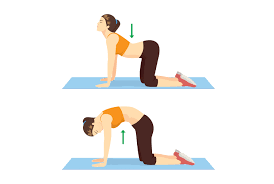
Bitilasana-Marjaryasana, also known as Cat-Cow Pose, is a gentle, flowing yoga sequence that warms the spine by combining two poses. The back arches while the chest rises and the eyes look upward in Cow Pose (Bitilasana).
The chin tucks into the chest while the spine rounds in Cat Pose (Marjaryasana). This exercise increases breathing coordination, eases neck and back tension, and increases spinal flexibility.
Regardless of your objectives, whether they are to improve posture, ease tension, or prepare your body for deeper stretches, the Cat and Cow Pose offers a positive experience for the body and mind.
Muscles worked in the cat-cow pose
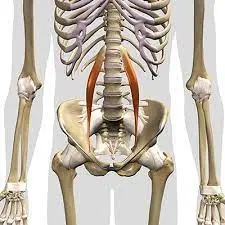
- Hip flexors
- Trapezius muscle
- Erector spinae
- Rectus Abdominis
- Pelvic floor
Cat-Cow Pose Video
How to do the cat-cow pose?
This pose can be performed on any soft surface, such as a yoga mat or carpet. Using your breath as a guide, you will alternate between the cat and cow positions in a steady flow. You will therefore breathe in cow and out cat.
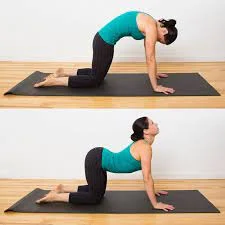
Start with the tabletop position
- Come down on all fours, hands in line with your shoulders and knees beneath your hips.
- Draw in your belly slightly to help support your back.
- Keep your head and neck aligned with your spine, and your gaze directed downward.
- If possible, keep the tops of your feet flat on the floor.
Inhale with cow pose
- To open your chest, draw your shoulder blades toward one another.
- Extend your tailbone. Allow your belly to slightly lower.
- Gently raise your head as you look forward.
- Keep your neck and lower back long (avoid crunching those areas). Your spine should take the shape of the letter “U.”
- If it helps, picture a cow grazing in a field, belly hanging low, back arched gently, eyes straight ahead as it gazes into the distance.
Exhale with cat pose
- Exhale while rounding your spine, like a cat arching its back.
- Tuck your tailbone.
- Tuck your chin into your chest and gently pull your shoulder blades back away from each other. Your spine should have the shape of a rainbow.
How long to hold each pose
Hold each position for one full breath in and out. Move slowly and repeat five to ten times.
Cat-cow variations and modifications
Seated cat-cow
This option is ideal for office breaks or when you want to stay off your knees.
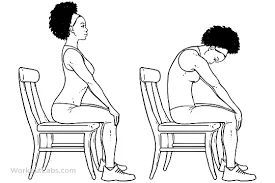
- Sit upright and evenly balanced in a chair, feet flat on the floor and hands on your thighs. Keep your shoulders down and back, and draw your belly in slightly.
- Inhale as you lift and lengthen your tailbone, draw your shoulder blades closer together, and gently arch your back.
- Lift your chest and look upward (cow). (Do not let your head drop back.)
- Exhale and tuck your tailbone, round your spine, and chin (cat pose).
- To deepen the stretch, reach your arms back when inhaling cow and forward when exhaling cat.
Standing cat-cow
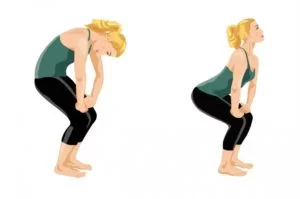
- Stand facing the seat of a chair that is on a mat or against a wall to prevent it from sliding.
- Keeping your arms straight, place your hands on the chair’s seat, with your shoulders directly over them.
- Position yourself with your back flat and your belly drawn in slightly.
- Maintaining your feet directly under your hips, alternate between rounding your back and tucking your chin (cat) and arching your back and lifting your chest (cow).
Supported cat-cow
- Place your hands on a yoga block, sofa, or counter. If you have wrist problems, make fists or raise your hands to your fingertips.
- To avoid wrist pain, place a cushion under your knees and distribute your weight evenly between your hands.
- Move gently through cat and cow, keeping movements small and focused.
Benefits of Cat-cow Pose
When included in a yoga practice or stretching regimen, this straightforward pose can significantly alter how your body feels and moves:
- Spinal mobility promotes healthy alignment and flexibility, which reduces stiffness and improves posture.
- Core strength: You’ll work not only your stomach muscles, but also your sides and lower back. It encourages motion in your entire abdominal area, all the muscles that support your spine and major organs.
- Joint lubrication: Movement promotes the circulation of synovial fluid, which cushions your joints and reduces friction as you move.
- Stress relief and mindfulness: It encourages deep, consistent breathing. When your chest is closed and rounded, you are exhaling. When it opens, you’re breathing in. Breath awareness can help to relax the mind and reduce stress.
Common Mistakes To Avoid During Cat-Cow Pose
Don’t Strain Your Neck
When you raise your gaze to the ceiling, do so with control and avoid overextending your neck. When entering Cat, allow your head to naturally drop rather than forcing it down. Also, make sure your shoulders are relaxed and not drawn up to your ears.
Keep the Movement in Your Spine
Keep your arms straight so that the movement comes from the spine rather than your arms and elbows.
Safety and Precautions
- Cat cow stretching should always be painless. If you experience any pain, gently back out of the pose.
- If you have pre-existing back pain, consult with your doctor before beginning this exercise to ensure that the movements are appropriate for your condition.
- If you have a neck injury, keep your head aligned with your torso and avoid tilting it forward or back.
Conclusion
The Cat-Cow Pose is a simple yet highly effective yoga movement that helps improve spinal flexibility, posture, and body awareness. By gently flowing between arching and rounding the back, it releases tension in the neck, shoulders, and lower back while promoting better breathing and circulation.
Suitable for beginners and advanced practitioners alike, this pose is an excellent addition to warm-ups, cooldowns, or daily mobility routines. Practicing Cat-Cow regularly can reduce stiffness caused by long sitting hours and support overall wellness. Add this mindful movement to your routine for a healthier, more flexible, and relaxed body and mind.
FAQs
Can a cat cow help with back pain?
In the field of yoga, the cat-cow position, also called Marjaryasana-bitilasana, is a mild warm-up intended to increase spinal flexibility and reduce stress. Because it stretches your neck, chest, and lower and upper back, this well-liked yoga posture is perfect for back pain.
How long should I hold the cat-cow position for?
Raise your head to a slightly elevated position. Pulling your head back is not appropriate. Arch your back, squeeze your buttocks toward the ceiling, and push your tummy toward the floor. Once more, maintain this posture for at least 15 to 30 seconds, or as long as you feel comfortable.
What are Cat-Cow Pose’s main advantages?
This mild stretch promotes hormonal balance, increases energy, and increases flexibility. increases the range of motion in the hips, shoulders, and spine, making the body more flexible and nimble. supports the stability and health of the reproductive system by toning and activating the pelvic muscles.
Do cat cows develop muscle?
The cat-cow workout increases spinal flexibility and builds up your abdominal muscles. To do a cat-cow, kneel on your hands and knees on the floor or on an exercise or yoga mat. Keep your wrists behind your shoulders and your knees beneath your hips.
Is abdominal fat reduced by Cat Cow Pose?
You may reduce abdominal fat and strengthen your abdominal core by doing this brief exercise. Additionally, it will stimulate awareness throughout the spine and body, relieving back pain and enhancing posture and body awareness in general.
Does cat-cow help with anxiety?
The cat/cow position helps reduce tension and increase spinal flexibility by combining movement and breathing.
References:
- Clinic, C. (2025, November 19). Cat-Cow Stretch: A gentle move with big benefits. Cleveland Clinic. https://health.clevelandclinic.org/cat-cow-stretch
- Ryt, A. P. (2024a, June 2). How to Do Cat-Cow Stretch in Yoga. Verywell Fit. https://www.verywellfit.com/cat-cow-stretch-chakravakasana-3567178

19 Comments