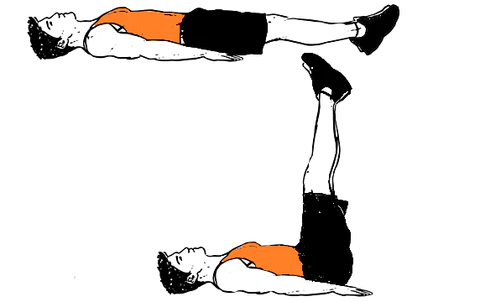
Leg Lift Exercise
Introduction
Leg Lift Exercise is a simple yet highly effective exercise that helps strengthen the abdominal muscles, hip flexors, and lower body. It requires you to raise and drop your legs in a controlled way. Lifting your legs is a great way to work your core.
Your stomach, lower back, and hip flexors are among the hip and core muscles that are targeted by this simple, at-home workout. (The muscles at the top of your thigh that enable you to flex your hip and bend your knee are called your hip flexors.) By using these muscles, you contribute to the development of trunk and pelvic stability. This has a variety of effects on your movement.
Your ability to run, play golf, and engage in other sports is improved by having strong hips and a core. Additionally, a stronger core facilitates better everyday movement, such as bending down to pick up an object.
One bodyweight exercise is the leg lift. This implies that you don’t need any further equipment; all you need is your own body. Leg lifts, however, come in a variety of forms, ranging from simple to complex.
Leg lifts might assist you in gaining strength if you’ve experienced low back issues. However, if done incorrectly, they might make pre-existing issues worse. Before beginning a hip and core workout regimen, it’s a good idea to see your doctor or physical therapist.
Leg Lift Exercise Video
Benefits of leg lifts
The muscles that make up your core are the focus of traditional leg lifts and their numerous variants. During your workout and even as you go about your everyday activities, a strong core keeps your trunk stable and helps you stand straighter.
Leg lift exercise can strengthen your whole core, which includes:
- Your abdominal muscles, which include the muscles down your sides and the “six-pack” of abs in the front.
- The muscles in your back include those that run down your spine and between the bones of your spine.
- Diaphragm.
- The muscles deep in your abdomen that support your below-the-belt physiological activities are called the pelvic floor.
- Hip flexors.
- Gluteal muscles.
How to do leg lifts
You’ll need a firm surface first. You can use a carpeted floor. You may wish to use an exercise mat if your floor is made of wood or tile.
Leg lifts often don’t function on soft surfaces like sofas or mattresses. There won’t be enough support beneath your body.
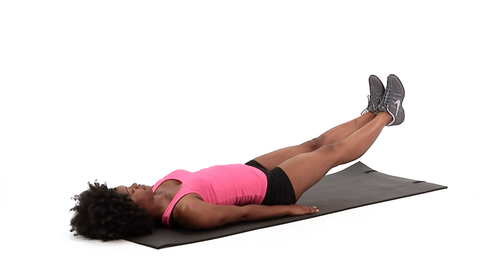
- To begin, lie on your back with your legs at a 90-degree angle toward the ceiling. Although it’s ideal to have straight legs, bending your knees is OK. (Everyone’s strength and flexibility vary.)
- Tuck your hands slightly beneath your butt, palms down. By building a tiny “shelf,” you will be able to lift the leg a little more easily.
- Press your lower back against the floor or mat. Maintaining your low back pressed against the floor throughout is essential. (You might hurt yourself if you arch your back.)
- Lower your legs as far as you can while keeping your chin tucked, preferably a few inches above the ground. When performing leg lifts, some people prefer to maintain their necks neutral (staring at the ceiling). However, you may maintain your spine pushed against the mat by tucking your chin in.
- At first, you might not be able to lower your legs all the way to the floor. Don’t compromise your form or arch your back; only go as far as you can. (And try going a bit lower the following time if you get so low that you are unable to raise your legs back up.)
- Raise your legs back to the ceiling while maintaining an engaged core. As you descend, try to breathe in, and as you rise, try to breathe out. Finding a breathing pattern that suits you is OK as long as you don’t hold your breath!
- Try to complete a set of 10 to 15 repetitions. Increase the number of sets you perform each exercise to two or three. It will be harder if you raise and lower more slowly.
Variations of leg lift exercises
There are several leg lift exercises that focus on various core muscular groups. Beginners should only perform side leg lifts, alternating leg lifts, and classic leg lifts (or the bent-knee variant). You can progress to some of the more complex forms over time.
Alternating leg lifts
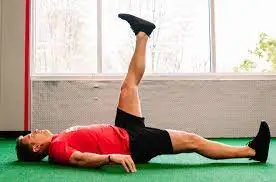
Lift both legs until they are perpendicular to the floor (keep that capital L in mind) for the alternating leg lift variant, then drop each leg individually. 30 seconds, or 10 repetitions each leg.
Similar to normal leg lifts, you may increase the intensity by keeping your knees straight or decrease it by bending them 90 degrees.
Side leg lifts
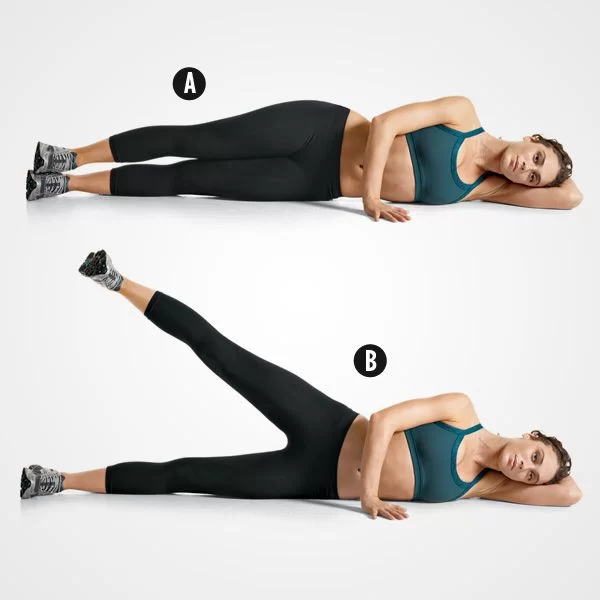
Lie on your side for this variant. You may use your lower arm as a cushion by bending it at the elbow. Keeping your upper leg straight, raise it. The letter Y should be formed by your body. After ten repetitions (for beginners), switch sides to give each leg a turn.
The greatest at-home exercise for strengthening your gluteus medius, the “medium” muscle in your buttocks that stabilizes your trunk and stride while you walk, is side leg lifts.
Reverse leg lifts
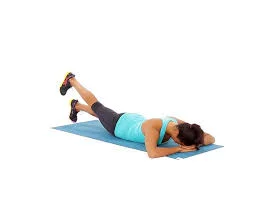
Reverse leg lifts, also known as “reverse hyperextension,” should only be performed by more experienced exercisers since they need a strong back.
On your stomach, lie down. To give your head a place to rest, place your hands beneath your forehead. One leg at a time, raise it as straight as you can. Perform around ten repetitions with one leg before switching to the other. As your strength increases, increase the number of repetitions and length of your workouts.
Plank leg lifts
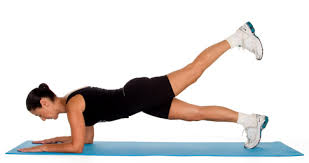
Start in the plank position to warm up your reverse leg lifts. Place your elbows and hands shoulder-width apart on the ground. Maintain a straight body from the top of your head to your ankles by using your core. Raise one leg at a time.
Holding the same plank posture with your arms straight and your palms on the floor rather than your elbows can put you in an even higher gear.
An advanced exercise that can build your shoulders in addition to your glutes, hamstrings, and abs is the plank leg lift.
Hanging leg lifts
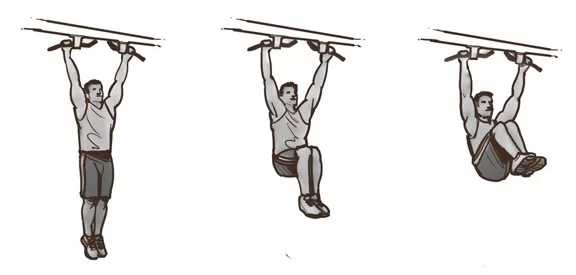
Some equipment is needed for this highly advanced form of a leg lift. Dangle from a pull-up bar, also known as a high bar, and raise your legs until they are parallel to the floor to do a hanging leg lift.
You may also perform this with your feet parallel to the floor and your knees bent. For every repetition, uncurl your knees and drop your legs.
Common Mistakes People Make When Doing Leg Lifts
- When performing leg lifts, the most frequent error people make is to compromise their back form. People frequently fail to maintain a neutral spine. In contrast to their core, they tense their lower back by arching their back.
- This can raise your chance of injury in addition to detracting from the target muscles. Throughout the exercise, maintain your lower back pressed against the mat to prevent this error. Don’t drop your legs as much if you see that they are arching upward.
- Additionally, you should avoid “swinging” your legs up and down, utilizing momentum. Rather, maintain a steady, modest speed so you can feel the heat in your core and be in charge of the exercise.
Conclusion
Leg lifts are a low-risk workout, but not everyone should perform them. Leg lifts are a floor-based exercise that might not be the best option if you have a history of hip injuries or if you have difficulty getting up off the floor.
It may also be recommended that those who are pregnant or have just given birth avoid engaging in core exercises for a while, particularly floor-based activities.
Leg lifts may be a well-executed addition to your regular exercise if you want to strengthen your core.
FAQs
What are the benefits of leg lifts?
Leg raises are a great way to develop your hip flexors and entire core (abs, obliques, back, pelvic floor), which improves posture, increases stability, and helps lessen lower back pain by teaching muscles to work together. Additionally, they improve general physical performance by strengthening the rectus abdominis muscle, assisting with everyday tasks like putting on shoes or getting out of bed, and supporting activities like sprinting and jumping.
What are the differences between leg raises and leg lifts?
Leg Lifts – Typically performed lying down, these exercises focus on the lower abs, hip flexors, and core stability. Ideal for beginners and low-impact workouts. Leg raises, whether hanging or assisted, provide increased intensity. Develops considerable core strength while challenging grip and hip control.
Do side leg lifts relieve hip pain?
The lying lateral leg lift exercise may be prescribed by your therapist to help relieve hip bursa discomfort. This action is beneficial since it aims to strengthen the muscles that support your hips.
What happens if I practice leg lifts every day?
Leg lifts can assist in building a strong trunk as part of an abs workout. This can mean better posture, reduced back pain, and greater strength to get through your exercises.
What are the negative aspects of doing leg raises?
When in this posture, the abdominals are unable to move until the pelvis advances posteriorly. As a result, supine leg lifts are a (contraindicated) hip flexor exercise that causes unneeded strain on the spine’s components.
What are the risks of performing leg raises?
As a result, during the leg raise, the psoas not only pulls the legs upward but also tugs on the lower back due to its spinal connection. Repeatedly engaging those hip flexors with leg raises can result in tight psoas muscles, which can strain on the lumbar spine, raising the risk of low back pain.
Are leg lifts unsafe for your hips?
Straight leg lifts and side leg lifts both demand strong hip muscles and place a significant amount of weight on the hips. This should be avoided in those with hip bursitis.
References:
- Integration, C. (2022, December 1). How to do leg lifts | UPMC HealthBeat. UPMC HealthBeat. https://share.upmc.com/2022/12/how-to-do-leg-lifts/
- Clinic, C. (2022, July 11). How to do leg lifts properly: A Step-by-Step guide. Cleveland Clinic. https://health.clevelandclinic.org/how-to-do-leg-lifts
- Ross, M. (2025, October 31). Leg lifts help you build a strong and stable core. Here’s how to do them. https://www.onepeloton.com/blog/leg-lifts