Skip to content
Mobile Physio
  • HomeExpand
    • Home: Physiotherapy Clinic
  • About UsExpand
    • Dr. Nitesh Patel: Physiotherapist
    • Sitemap
  • Physiotherapy TreatmentExpand
    • Back Pain
    • Chest Physiotherapy
    • Common Deformity
    • Disease
    • Joint Pain
    • Knee Pain
    • Exercise Detail
    • Orthopaedic Disease
    • Physiotherapy Technique
    • Home Visit Physiotherapy Treatment in AhmedabadExpand
      • Paralysis
      • Pulmonary Disease
      • REHABILITATION
      • Rheumatoid Disease
  • Physiotherapy Clinic
  • Contact UsExpand
    • Mobile Physiotherapy Clinic
    • Physiotherapy Clinic in Amaraiwadi CTM
    • Privacy Policy
Facebook X Instagram
Mobile Physio
  • Home
    • Home: Physiotherapy Clinic
  • About Us
    • Dr. Nitesh Patel: Physiotherapist
    • Sitemap
  • Physiotherapy Treatment
    • Back Pain
    • Chest Physiotherapy
    • Common Deformity
    • Disease
    • Joint Pain
    • Knee Pain
    • Exercise Detail
    • Orthopaedic Disease
    • Physiotherapy Technique
    • Home Visit Physiotherapy Treatment in Ahmedabad
      • Paralysis
      • Pulmonary Disease
      • REHABILITATION
      • Rheumatoid Disease
  • Physiotherapy Clinic
  • Contact Us
    • Mobile Physiotherapy Clinic
    • Physiotherapy Clinic in Amaraiwadi CTM
    • Privacy Policy
Facebook X Instagram
  • Iliopsoas tendonitis
    Disease | Exercise Detail | Muscle pain | Orthopaedic Disease | ORTHOPEDIC CONDITION

    Iliopsoas Tendonitis

    ByNitesh Patel - Physiotherapist July 27, 2020July 22, 2023

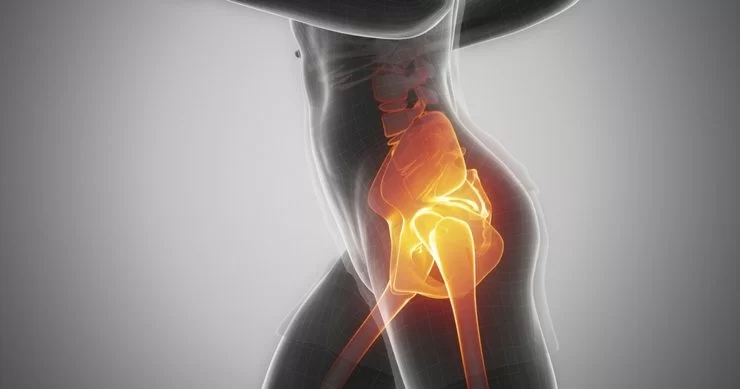
    Definition: Iliopsoas tendonitis is an inflammation of the tendon or area surrounding the tendon. Major causes of iliopsoas tendinitis are acute trauma and overuse resulting from repetitive hip flexion. Introduction: This painful hip condition can affect athletes who participate in sports like cycling, running, swimming, hockey and baseball. Spin classes, high-intensity interval training (HIIT) workouts…

    Read More Iliopsoas TendonitisContinue

  • VAGUS NERVE
    Anatomy | ANATOMY OF NERVE | Neurology

    VAGUS NERVE

    ByNitesh Patel - Physiotherapist July 26, 2020November 9, 2025

    INTRODUCTION The vagus nerve is the longest and most complex of the 12 pairs of cranial nerves that emanate from the brain. It transmits information to or from the surface of the brain to tissues and organs elsewhere in the body. The name “vagus” comes from the Latin term for “wandering.” This is because the…

    Read More VAGUS NERVEContinue

  • Ankle sprain
    Disease | Ligament Injury | ORTHOPEDIC CONDITION | Sports Injury

    Ankle Sprain and Physiotherapy Treatment

    ByBhoomi Physiotherapist July 25, 2020December 13, 2023

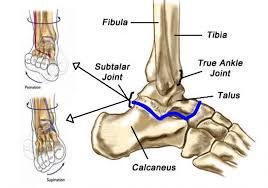
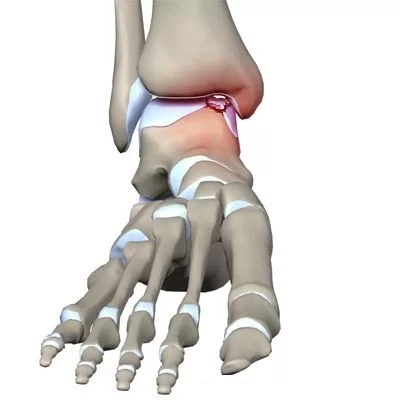
    What is an Ankle Sprain? An ankle sprain is a common injury that occurs when the ligaments surrounding the ankle joint are stretched or torn. Ligaments are strong bands of tissue that connect bones and provide stability to the joint. Ankle sprains often happen during activities that involve sudden changes in direction, twisting, or landing…

    Read More Ankle Sprain and Physiotherapy TreatmentContinue

  • Disease | Fracture | ORTHOPEDIC CONDITION

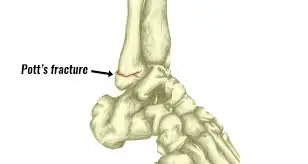
    Pott’s fracture (Ankle malleoli Fracture) And Physiotherapy Management

    ByBhoomi Physiotherapist July 24, 2020December 13, 2023

    Anatomy related to Potts fracture Mechanism of injury of Potts fracture Clinical Presentation of Potts fracture Classification of Pott’s Fracture: Pott’s fracture is according to the number of malleoli involved, the mechanism of injury, joint stability, or the level of the fracture. 3 main classifications are: (1) Henderson’s Classification This is the easy classification depending…

    Read More Pott’s fracture (Ankle malleoli Fracture) And Physiotherapy ManagementContinue

  • Muscle Detail | Anatomy | Anatomy Of Muscle | Nerve Injury

    GLOSSOPHARYNGEAL NERVE

    ByNitesh Patel - Physiotherapist July 24, 2020September 5, 2020

    INTRODUCTION : The glossopharyngeal nerve, known as the ninth cranial nerve (CN IX), is a mixed nerve that carries afferent sensory and efferent motor information. It exits the brainstem out from the sides of the upper medulla, just anterior (closer to the nose) to the vagus nerve. Sensory: Innervates the oropharynx, carotid body and sinus,…

    Read More GLOSSOPHARYNGEAL NERVEContinue

  • Concussion
    Neurological problem | Neurology | Paralysis | REHABILITATION

    Concussion

    ByNitesh Patel - Physiotherapist July 24, 2020November 18, 2025

    Definition: Concussion is a complex pathophysiological process affecting the brain. It is the result of an injury caused by a biomechanical force i.e., a direct blow to the head, neck, or face or from a blow to another part of the body with a mechanical force transmitted to the head. The individual may not experience…

    Read More ConcussionContinue

  • INTERFERENTIAL CURRENT THERAPY
    Electrotherapy

    Pain management with interferential current therapy

    ByBhoomi Physiotherapist July 23, 2020May 14, 2022

    The basic principle of Interferential Therapy (IFT) is to utilise the significant physiological effects of low frequency (<250pps) electrical stimulation of nerves without the associated painful and somewhat unpleasant side effects sometimes associated with low-frequency stimulation. To produce low-frequency effects at sufficient intensity and at sufficient depth, patients can experience considerable discomfort in the superficial…

    Read More Pain management with interferential current therapyContinue

  • Vestibulocochlear Nerve (CN VIII)
    Anatomy | ANATOMY OF NERVE

    Vestibulocochlear Nerve (CN VIII)

    ByNitesh Patel - Physiotherapist July 23, 2020July 13, 2023

    Introduction The vestibulocochlear nerve (auditory vestibular nerve), known as the eighth cranial nerve, transmits sound and equilibrium (balance) information from the inner ear to the brain. The vestibulocochlear nerve is the eighth paired cranial nerve. It is comprised of two parts – vestibular fibres and cochlear fibres. Both have a purely sensory function. Anatomy The…

    Read More Vestibulocochlear Nerve (CN VIII)Continue

  • Perthes disease
    Disease | Joint Pain | Orthopaedic Disease | ORTHOPEDIC CONDITION

    Perthes disease and Physiotherapy Management

    ByBhoomi Physiotherapist July 21, 2020December 13, 2023

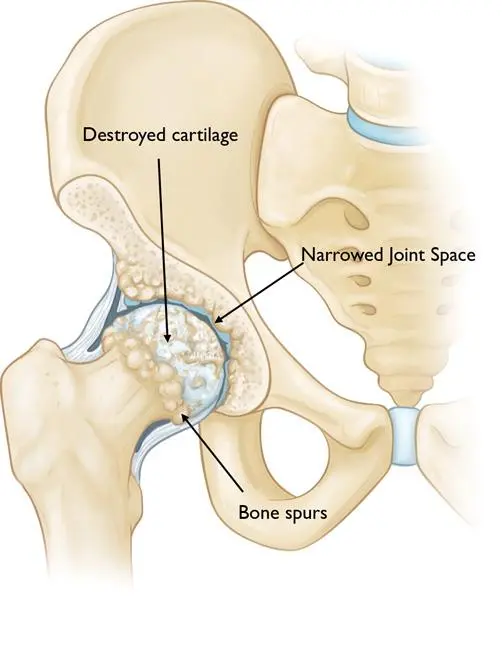
    Anatomy related to Perthes disease Causes of Perthes disease Clinical Features of Perthes Disease Stages of Perthes disease IA: Early IB: Late IIA: Early IIB: Late IIIA: Early Stage IV: Healed Diagnosis of Perthes disease Medical Treatment of Perthes Disease Physiotherapy management of Perthes disease Conservative management of Perthes diseases Improve ROM in Perthes disease…

    Read More Perthes disease and Physiotherapy ManagementContinue

  • Muscle Detail | Anatomy | Anatomy Of Muscle | Nerve Injury

    ABDUCENS NERVE

    ByNitesh Patel - Physiotherapist July 21, 2020September 5, 2020

    INTRODUCTION : The abducens nerve (or abducent nerve) is the sixth cranial nerve (CNVI), in humans body that controls the movement of the lateral rectus muscle, responsible for outward gaze. It is a somatic efferent nerve. ANATOMY OF ABDUCENS NERVE : The abducens nerve arises from the abducens nucleus in the pons of the brainstem….

    Read More ABDUCENS NERVEContinue

Page navigation

Previous PagePrevious 1 … 657 658 659 660 661 … 678 Next PageNext
  • Disease
  • Exercise Detail
  • Orthopaedic Disease
  • Anatomy
  • Physiotherapy Technique
  • Neurological problem
  • Back Pain
  • BMI Calculator (Calculate your Body Mass Index)
  • Calorie Calculator
  • Home: Physiotherapy Clinic
  • Privacy Policy
  • Terms and Conditions
  • About Us
    • Dr. Nitesh Patel: Physiotherapist
    • Disclaimer
    • Privacy Policy
    • Sitemap
  • Physiotherapy Treatment
    • Home Visit Physiotherapy Treatment in Ahmedabad
  • Contact Us
    • Mobile Physiotherapy Clinic
    • Physiotherapy Clinic in Amaraiwadi CTM

© 2026 Mobile Physiotherapy Clinic - WordPress Theme by Kadence WP

Scroll to top
Search